Economic Influence
Private foundations that finance education in developing countries need to be more transparent in their mission and impact.
Private foundations that finance education in developing countries need to be more transparent in their mission and impact.

Large-scale social change requires broad cross-sector coordination, not the isolated intervention of individual organizations.
Conversations Network Executive Direct Doug Kaye share the story of his trip to Egypt as the country began its possible revolution

Microsoft founder Bill Gates challenges Stanford MBA students to take on the world’s difficult problems as a focus of their career or life mission.
We need to put secondary education on the global policy agenda. We also must create pathways to quality and relevant secondary education in Sub-Saharan Africa.

Large-scale social change requires broad cross-sector coordination, not the isolated intervention of individual organizations.

American educators, policymakers, and philanthropists are overselling the role of the highly skilled individual teacher and undervaluing the benefits that come from teacher collaborations.
Both human-centered and systems-thinking methods fit within an effective design approach, and can work in conjunction to address social challenges.
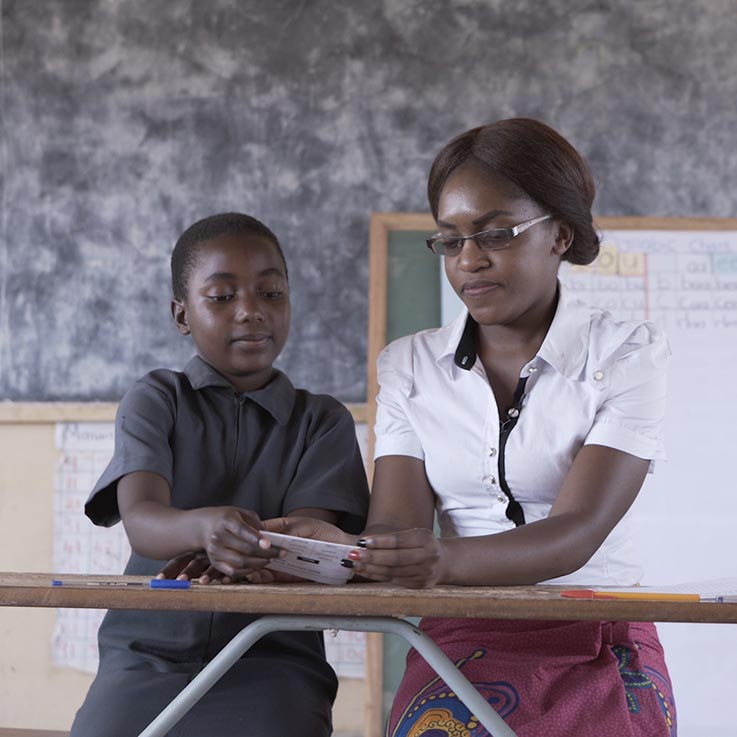
Research from the Abdul Latif Jameel Poverty Action Lab (J-PAL) and its partners shows how to help children learn amid erratic access to schools during a pandemic, and how those solutions may make progress toward the Sustainable Development Goal of ensuring a quality education for all by 2030.

How standardized testing, gentrification, school choice, and economic downturn have widened inequality to create an existential threat to democracy.