Archiving Indigenous History
Native Bound Unbound is digitally documenting the long-overlooked history of enslaved Indigenous people throughout the Americas.

Native Bound Unbound is digitally documenting the long-overlooked history of enslaved Indigenous people throughout the Americas.

UPenn’s ambitious Eidos initiative marries business innovation with health research to tackle LGBTQ+ health inequities.
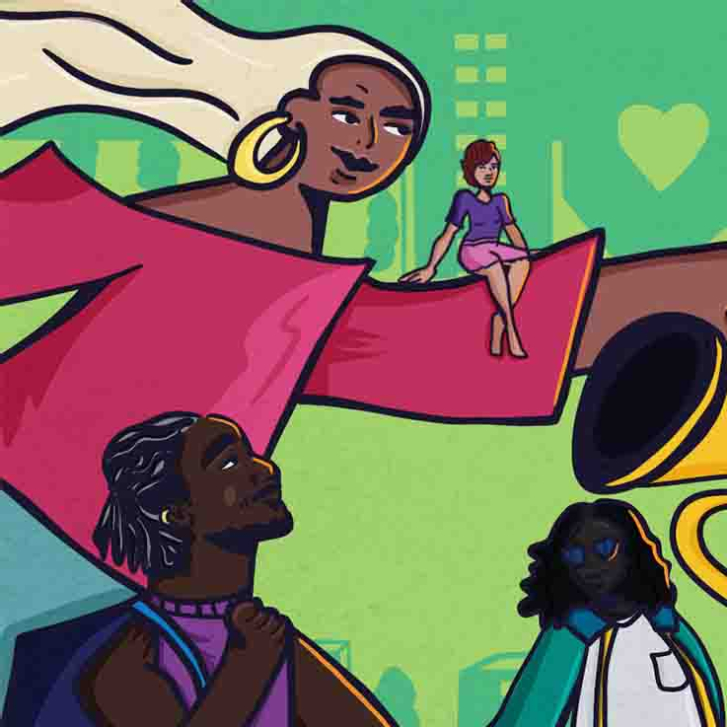
How understanding the complexity and nuance of leadership in changing environments can help fuel system-level change.

More than one billion people live in rural, isolated areas in low-income countries. Improving their access to roads and transportation is a prerequisite to unlocking better health, education, and economic outcomes.
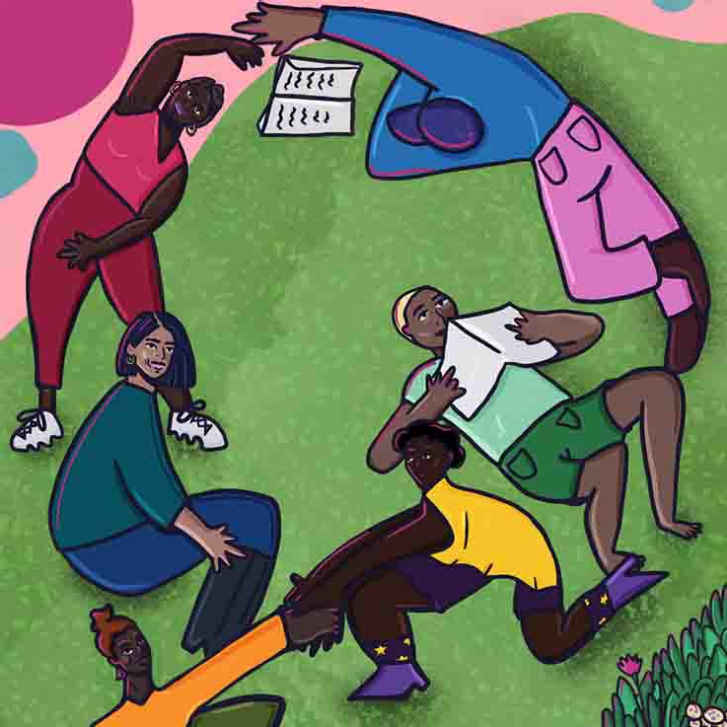
The most impactful leadership programs prioritize broadly applicable skills, strengths, and capacities that serve participants and communities over the long term.


Large-scale social change requires broad cross-sector coordination, not the isolated intervention of individual organizations.

American educators, policymakers, and philanthropists are overselling the role of the highly skilled individual teacher and undervaluing the benefits that come from teacher collaborations.
Both human-centered and systems-thinking methods fit within an effective design approach, and can work in conjunction to address social challenges.
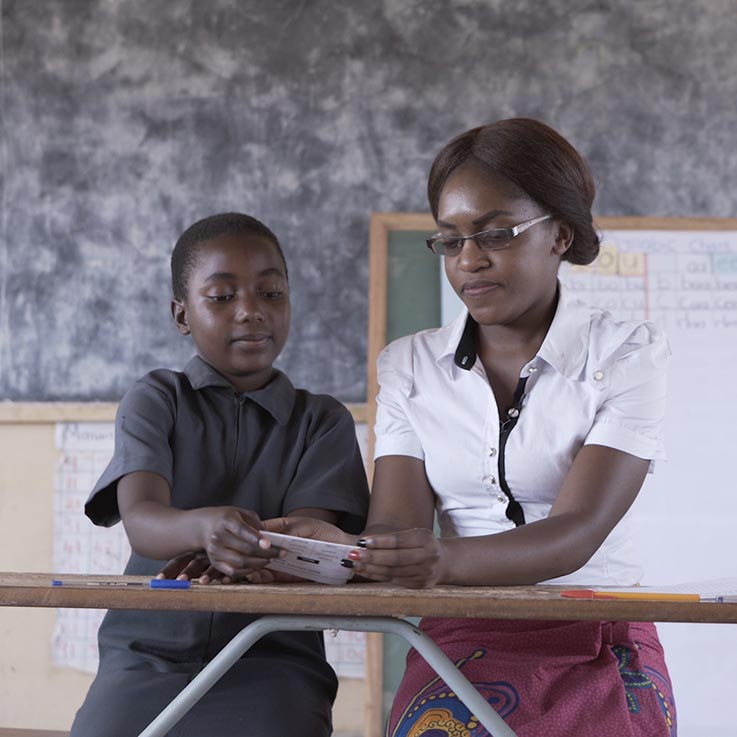
Research from the Abdul Latif Jameel Poverty Action Lab (J-PAL) and its partners shows how to help children learn amid erratic access to schools during a pandemic, and how those solutions may make progress toward the Sustainable Development Goal of ensuring a quality education for all by 2030.

How standardized testing, gentrification, school choice, and economic downturn have widened inequality to create an existential threat to democracy.