Linking Youth Into Society
Life Project 4 Youth Alliance promotes the personal development and professional advancement of impoverished youth.
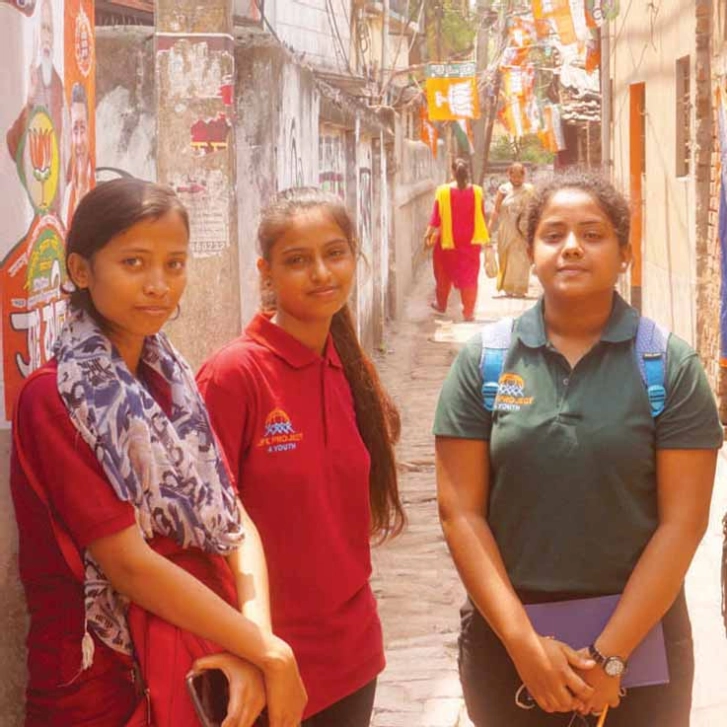
Life Project 4 Youth Alliance promotes the personal development and professional advancement of impoverished youth.
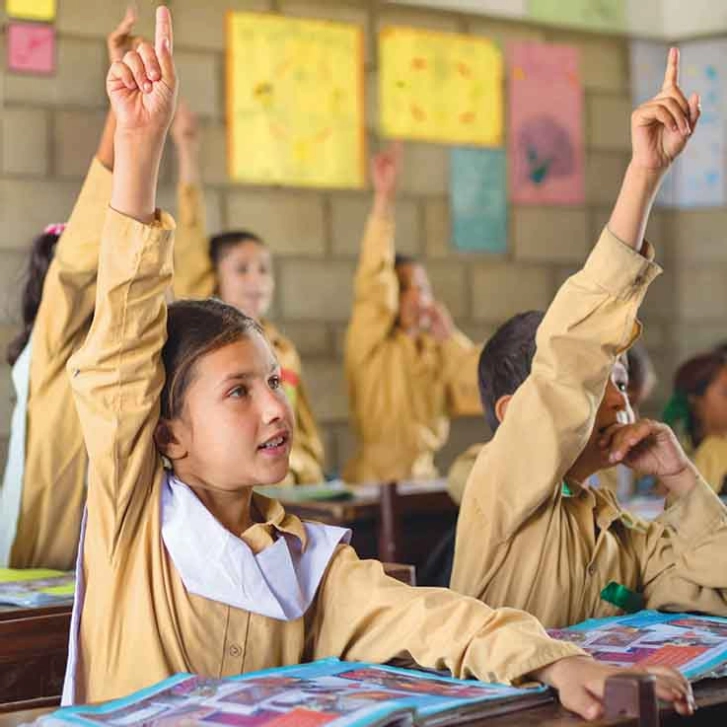
The Citizens Foundation is transforming how education is delivered in Pakistan, with remarkable outcomes for the country’s underprivileged children.
Classrooms shape students’ ideas of merit differently, depending on their social class.
A nonprofit collaboration’s novel approach to addressing truancy and isolation in Japan.
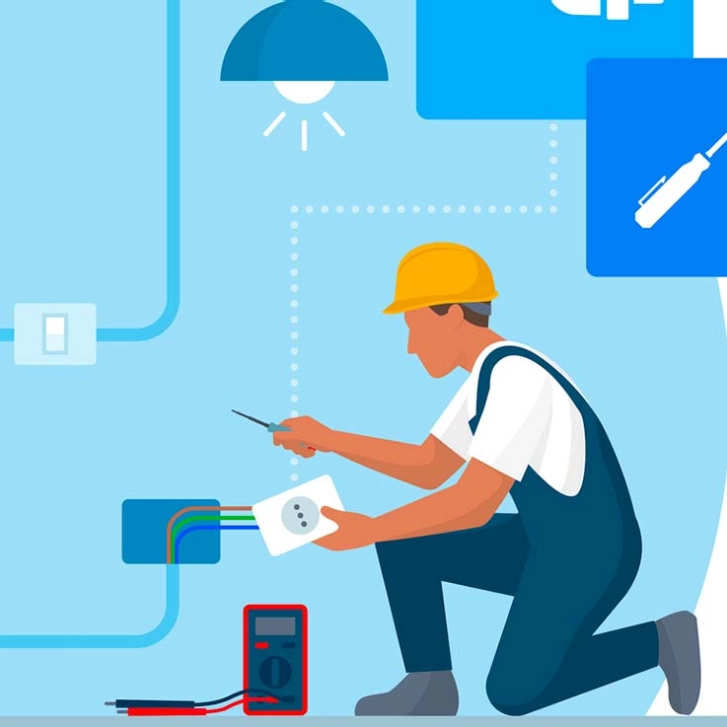
A staggering misalignment of postsecondary education and training programs in the United States is leaving millions of critical jobs unfilled and millions of Americans missing opportunities for meaningful economic mobility. What needs to change?

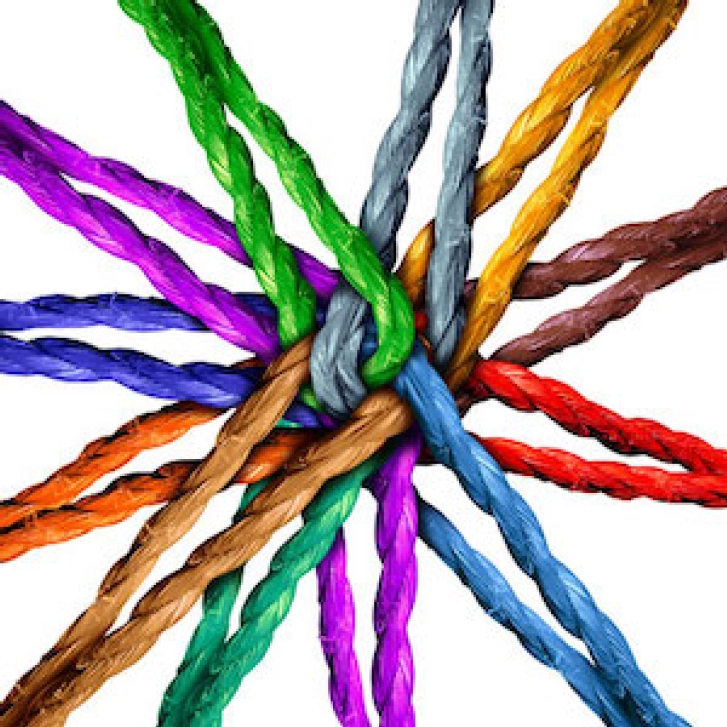
Large-scale social change requires broad cross-sector coordination, not the isolated intervention of individual organizations.

American educators, policymakers, and philanthropists are overselling the role of the highly skilled individual teacher and undervaluing the benefits that come from teacher collaborations.
Both human-centered and systems-thinking methods fit within an effective design approach, and can work in conjunction to address social challenges.
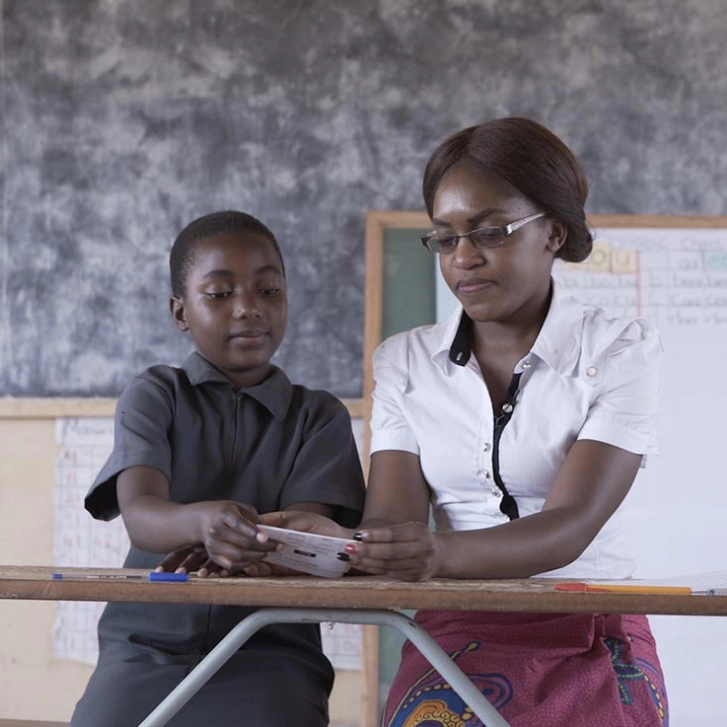
Research from the Abdul Latif Jameel Poverty Action Lab (J-PAL) and its partners shows how to help children learn amid erratic access to schools during a pandemic, and how those solutions may make progress toward the Sustainable Development Goal of ensuring a quality education for all by 2030.
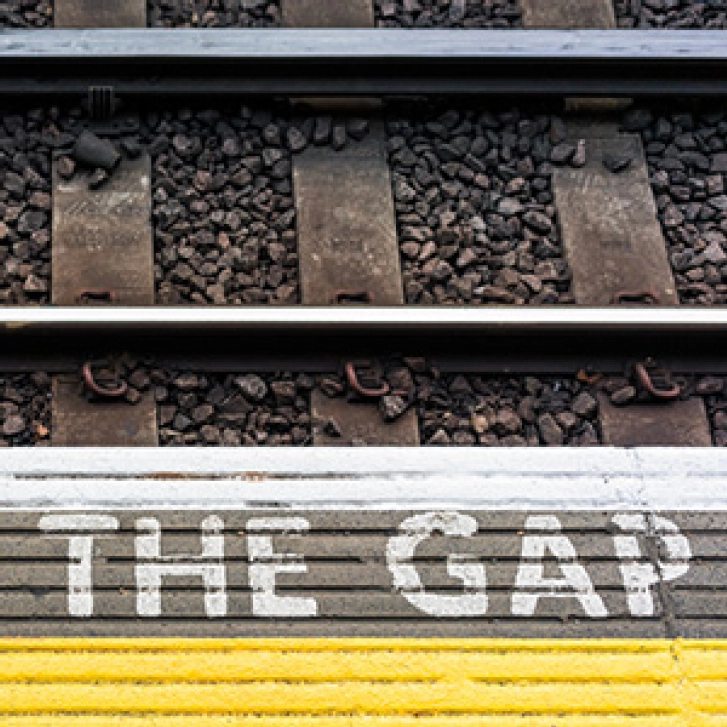
How standardized testing, gentrification, school choice, and economic downturn have widened inequality to create an existential threat to democracy.