
The Façade of Post-Feminism
A new book shows why—despite the supposed ascendency of women and girls—feminism can’t rest on its laurels.
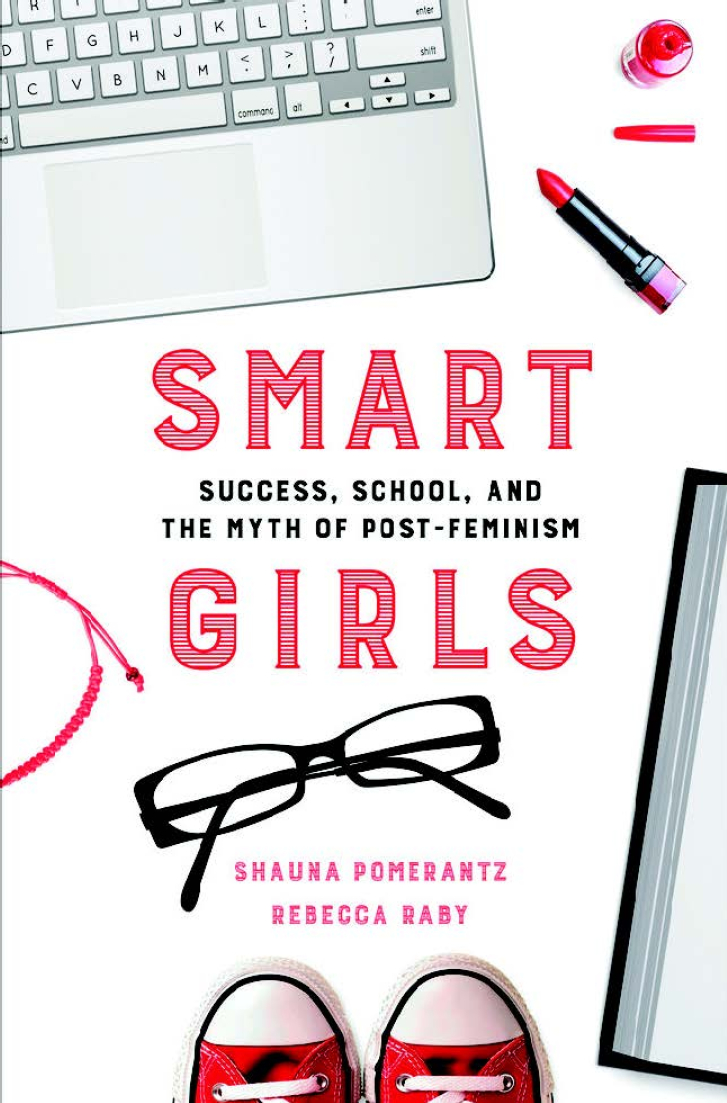
A new book shows why—despite the supposed ascendency of women and girls—feminism can’t rest on its laurels.
The rise of behavioral science and impact evaluation has created a new way for engineering programs and human interactions.

A growing number of organizations are experimenting with ways to embed learning in everyday encounters as a way to connect with hard-to-reach youth and adults.
A new, bipartisan curriculum aims to help US students make sense of a highly polarized country.
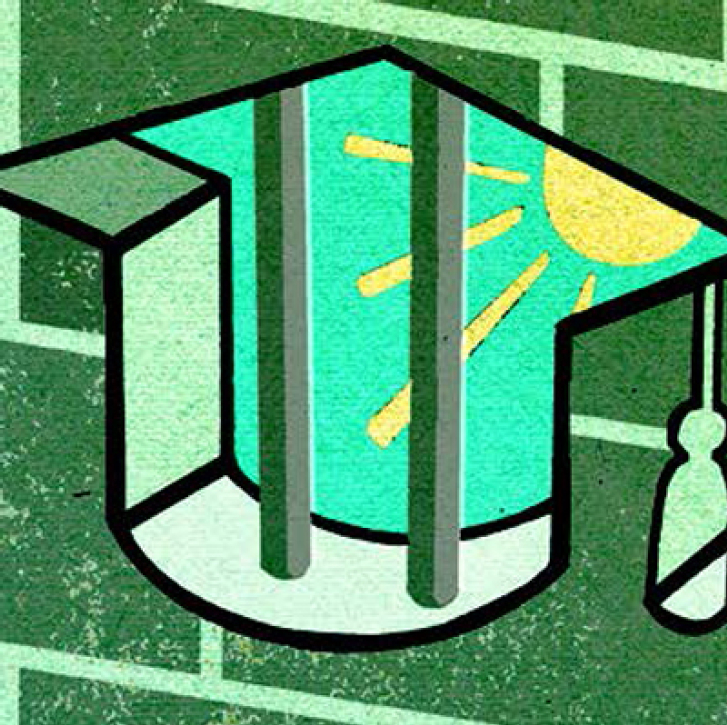
We must create educational opportunities to reduce recidivism among prison inmates and empower them to lead successful lives post incarceration.


Large-scale social change requires broad cross-sector coordination, not the isolated intervention of individual organizations.

American educators, policymakers, and philanthropists are overselling the role of the highly skilled individual teacher and undervaluing the benefits that come from teacher collaborations.
Both human-centered and systems-thinking methods fit within an effective design approach, and can work in conjunction to address social challenges.
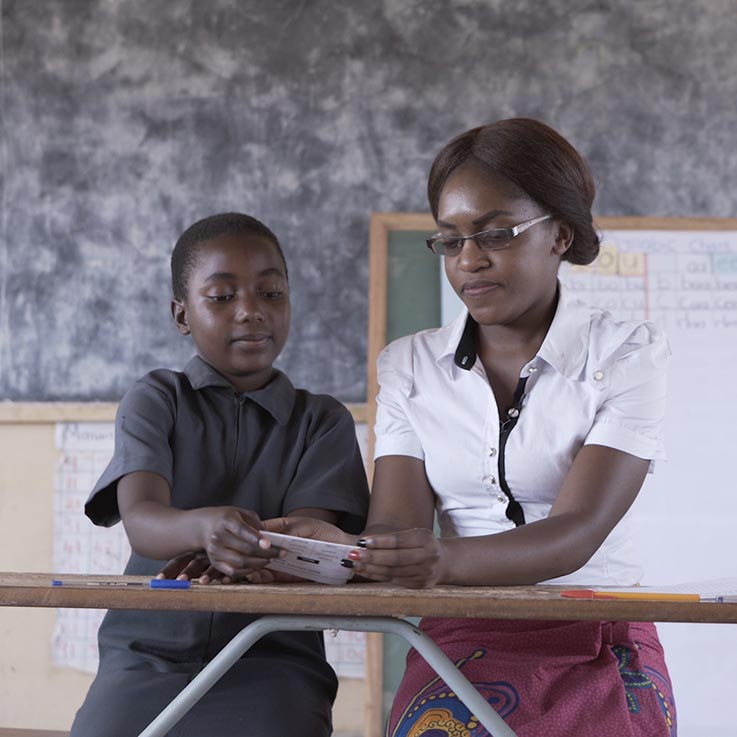
Research from the Abdul Latif Jameel Poverty Action Lab (J-PAL) and its partners shows how to help children learn amid erratic access to schools during a pandemic, and how those solutions may make progress toward the Sustainable Development Goal of ensuring a quality education for all by 2030.

How standardized testing, gentrification, school choice, and economic downturn have widened inequality to create an existential threat to democracy.