


Giving 2.0: Getting Together to Give
Giving circles are powerful ways to transform the world while also transforming participants’ giving.

Giving circles are powerful ways to transform the world while also transforming participants’ giving.

Four guidelines provide a road map for leaders to identify and develop the right funding model for their organization.

Lending circles, self-help groups, and study circles are among the oldest and most effective tools for creating personal and social change.

The microcredit industry needs to be regulated through policies that address high interest rates and abusive loan recovery practices.

American educators, policymakers, and philanthropists are overselling the role of the highly skilled individual teacher and undervaluing the benefits that come from teacher collaborations.


Funders are calling for more program evaluation, but nonprofits are often collecting dubious data, at great cost to themselves and ultimately to the people they serve.
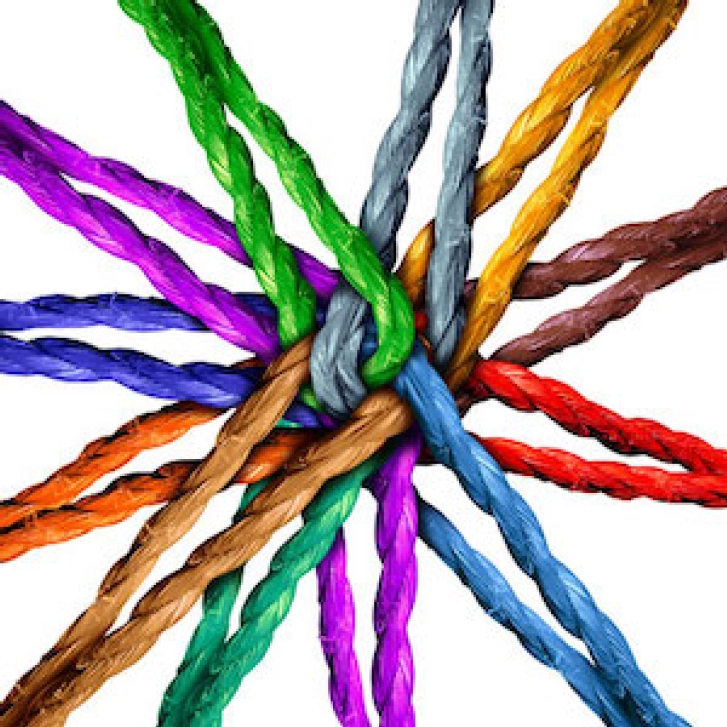
Large-scale social change requires broad cross-sector coordination, not the isolated intervention of individual organizations.

With an understanding of these 10 funding models, nonprofit leaders can use the for-profit world's valuable practice of engaging in succinct and clear conversations about long-term financial strategy.
Social entrepreneurship is attracting growing amounts of talent, money, and attention, but along with its increasing popularity has come less certainty about what exactly a social entrepreneur is and does.

By working closely with the clients and consumers, design thinking allows high-impact solutions to social problems to bubble up from below rather than being imposed from the top.