


Freeing the Social Entrepreneur
Social entrepreneurs must recognize when it is time to relinquish control and create strong leadership teams.

Social entrepreneurs must recognize when it is time to relinquish control and create strong leadership teams.

A new approach to measuring poverty is needed, one that accounts for multiple factors such as housing, and regional economic differences.
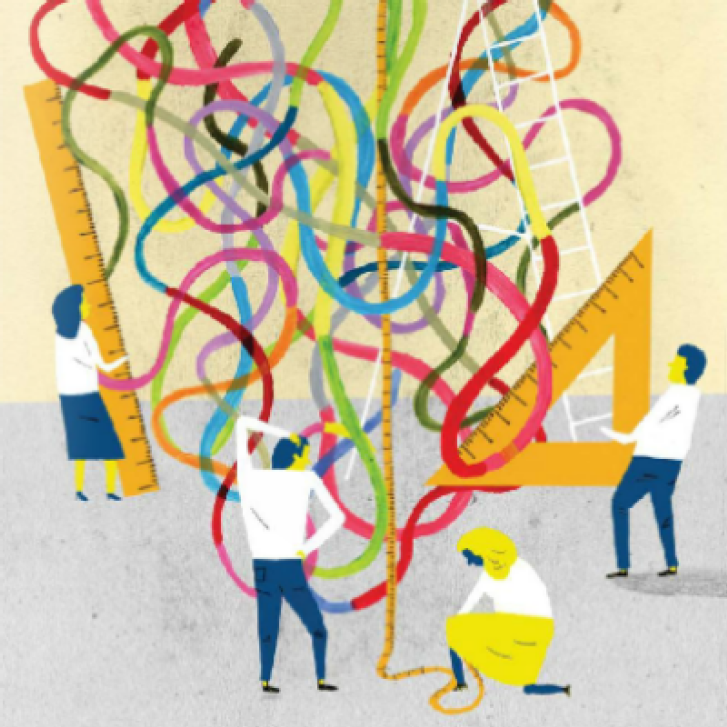
Too many people believe social value is objective, fixed, and stable, when in fact it is subjective, malleable, and variable.

Sustainability is the best way to integrate social, environmental, and economic impacts into all corporate decisions.
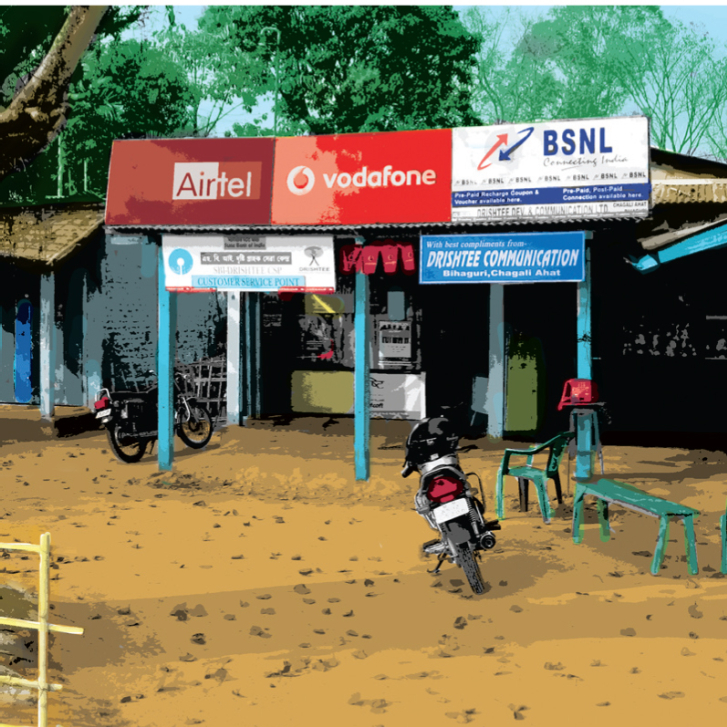
Microfranchising poses fewer risks and offers greater benefits than does creating a new business from scratch.


Funders are calling for more program evaluation, but nonprofits are often collecting dubious data, at great cost to themselves and ultimately to the people they serve.

Large-scale social change requires broad cross-sector coordination, not the isolated intervention of individual organizations.

With an understanding of these 10 funding models, nonprofit leaders can use the for-profit world's valuable practice of engaging in succinct and clear conversations about long-term financial strategy.

Social entrepreneurship is attracting growing amounts of talent, money, and attention, but along with its increasing popularity has come less certainty about what exactly a social entrepreneur is and does.

By working closely with the clients and consumers, design thinking allows high-impact solutions to social problems to bubble up from below rather than being imposed from the top.