Endowment for a Rainy Day
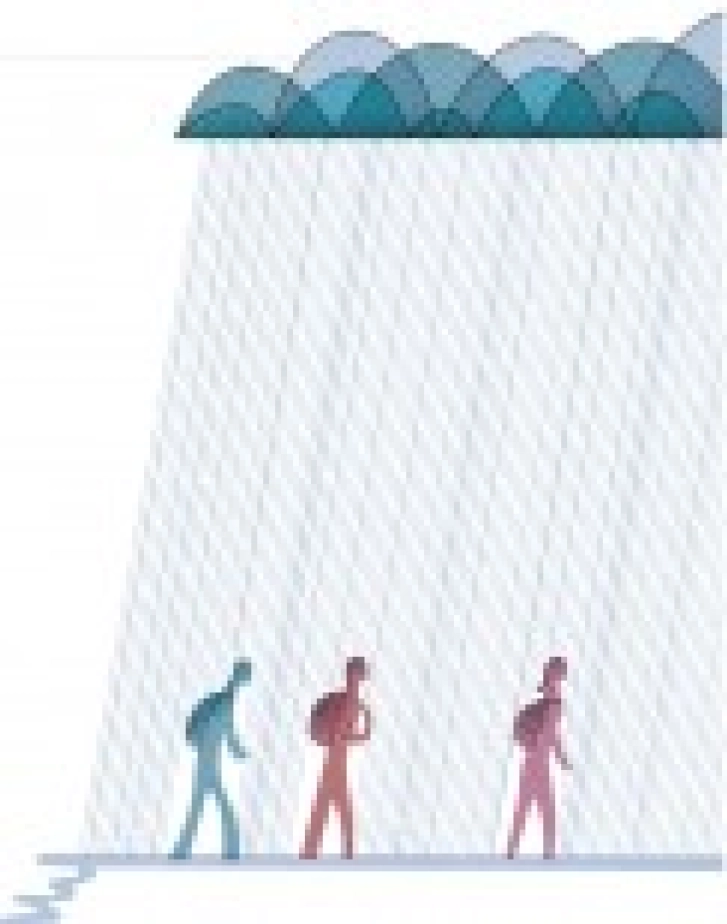
To prepare for future financial downturns, nonprofits should treat endowments as rainy day funds, not cut programs to preserve the endowment.
By working closely with the clients and consumers, design thinking allows high-impact solutions to social problems to bubble up from below rather than being imposed from the top.
To enrich the bottom of the pyramid, bankers to the poor should make saving money easier by using the latest findings from economics and psychology.
The fine arts in America are on a perilous path. Attendance at opera, theater, jazz, symphony, and ballet performances has dropped precipitously in recent decades. Just as worrisome, the median age of people attending these events has increased dramatically. If the fine arts are to survive as a living, creative, and significant force in American life, arts institutions need to radically recreate themselves.
The dual goals of scalability and sustainability have eluded many development projects. In recent years, however, the United States Agency for International Development (USAID) has reached out to corporations, nonprofits, and even private citizens to build alliances that are making large-scale, long-term change. In this article, the former head of USAID describes the public-private partnership model that his agency forged, the successes that the model has won, and the struggles that it continues to face.
Funders are calling for more program evaluation, but nonprofits are often collecting dubious data, at great cost to themselves and ultimately to the people they serve.
Large-scale social change requires broad cross-sector coordination, not the isolated intervention of individual organizations.
With an understanding of these 10 funding models, nonprofit leaders can use the for-profit world's valuable practice of engaging in succinct and clear conversations about long-term financial strategy.
Social entrepreneurship is attracting growing amounts of talent, money, and attention, but along with its increasing popularity has come less certainty about what exactly a social entrepreneur is and does.
By working closely with the clients and consumers, design thinking allows high-impact solutions to social problems to bubble up from below rather than being imposed from the top.