


What Is the Civic University For?
Embedding action through research by placing the Sustainable Development Goals at the center of university planning. Part of the Innovating Higher Education series.

Embedding action through research by placing the Sustainable Development Goals at the center of university planning. Part of the Innovating Higher Education series.
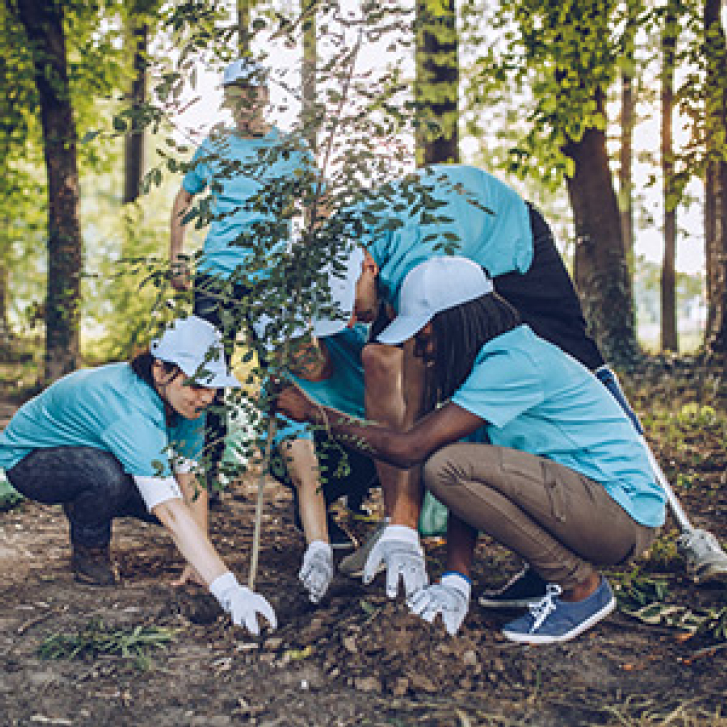
Because government action will always be dependent on public support, leading conservation organizations must focus on building a constituency for nature.
Germany’s first government-hosted crisis hackathon offers seven lessons on how to make the most of a messy-but-promising way to kick-start social innovation.

Embedding changemaking into the culture and operations of higher education will prepare institutions to deploy their tremendous human capital and knowledge and research assets in innovative, trans-disciplinary, and collaborative ways to address the many challenges ahead.
Part of Innovating Higher Education for the Greater Good, a new series from SSIR and Ashoka U.

Cooperation between the public and private sectors in Taiwan and South Korea are enabling a prompt response to the challenge of distributing important health products during the COVID-19 crisis.


Large-scale social change requires broad cross-sector coordination, not the isolated intervention of individual organizations.

With an understanding of these 10 funding models, nonprofit leaders can use the for-profit world's valuable practice of engaging in succinct and clear conversations about long-term financial strategy.

Laws and programs designed to benefit vulnerable groups, such as the disabled or people of color, often end up benefiting all of society.

Too many people believe social value is objective, fixed, and stable, when in fact it is subjective, malleable, and variable.

Six pathways to making housing more affordable and available from the Ivory Prize for Housing Affordability.