


Equitable Public Health
In Precision Community Health, Bechara Choucair offers a four-pillared framework to address historic systemic inequities in public health but fails to confront the power arrangements that undergird them.
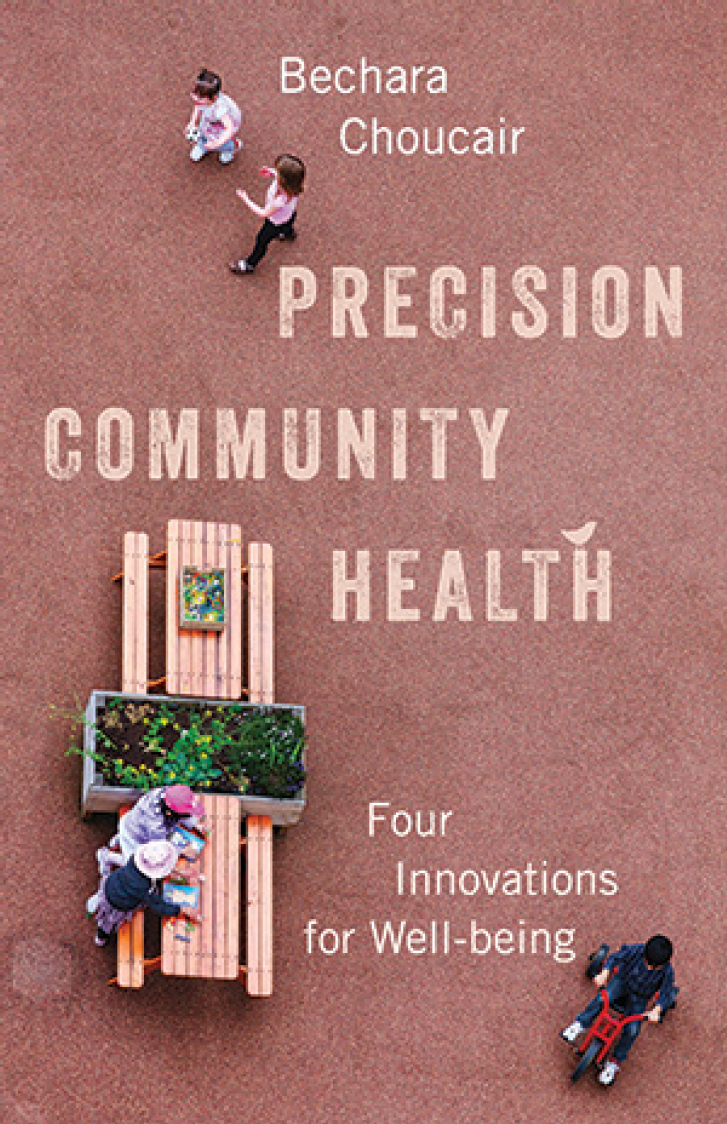
In Precision Community Health, Bechara Choucair offers a four-pillared framework to address historic systemic inequities in public health but fails to confront the power arrangements that undergird them.
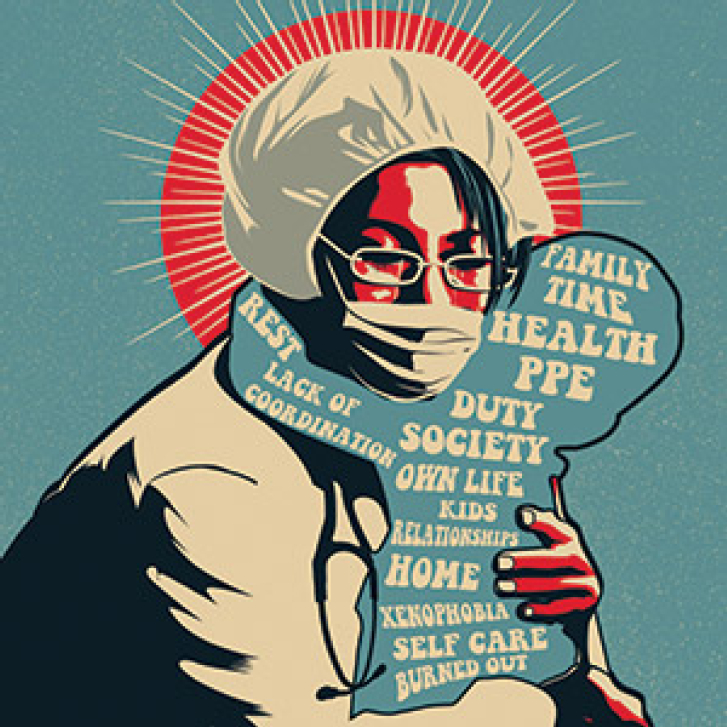
Highlights from recent SSIR.org articles on racial justice, well-being, and the COVID-19 pandemic.

By committing to a broad, participatory learning process, social change leaders can greatly enhance staff positivity and resilience, as well as increase organizational sustainability and impact. Part of the Centered Self series.

Philanthropy must hire outside the box, write the first check, and take unsolicited applications.
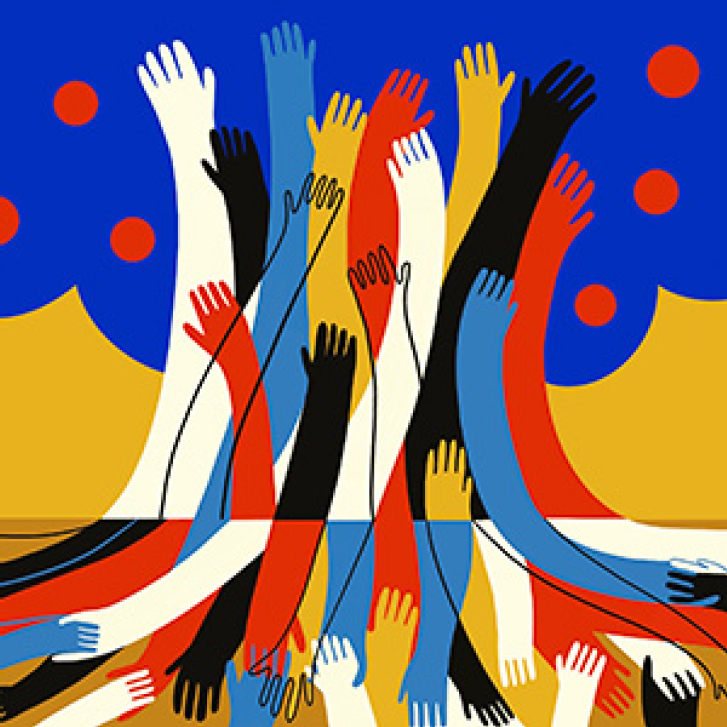
By supporting individual and team resilience, and by making small shifts to organizational life that enhance well-being, organizations can improve their effectiveness and contribute to a healthier overall culture for social change. Part of the Centered Self series.


Our understanding of community can help funders and evaluators identify, understand, and strengthen the communities they work with.

Two veterans of consumer psychology, marketing, and entrepreneurship provide a guide to using social media for social change.

Instead of pressuring already-stressed individuals to fix themselves, true wellness requires organization-level interventions.

Using artificial intelligence to predict behavior can lead to devastating policy mistakes. Health and development programs must learn to apply causal models that better explain why people behave the way they do to help identify the most effective levers for change.

Two years ago I quit my nonprofit CEO job. I’ve just had the two most productive years of my career.