


The Paradox of American Health Care
Nonprofit hospitals have long commercialized their services to cover their costs. A research article in the Summer 2020 issue.

Nonprofit hospitals have long commercialized their services to cover their costs. A research article in the Summer 2020 issue.

Amid foundations' necessary and immediate responses to the COVID-19 crisis, there are unusual opportunities to advance their long-term goals of building more just and equitable societies.

The coronavirus was slow to make its way to Africa, but it is now there in full force and will be difficult to contain because of certain cultural and social behaviors.
Cooperation between the public and private sectors in Taiwan and South Korea are enabling a prompt response to the challenge of distributing important health products during the COVID-19 crisis.
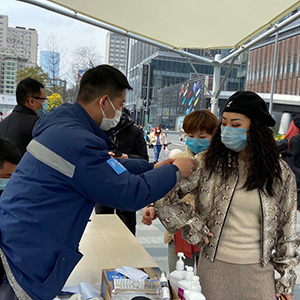
An outpouring of aid from nonprofits, foundations, and businesses in the nation first to face the epidemic provide some lessons and caveats for other regions now dealing with similar challenges.


Our understanding of community can help funders and evaluators identify, understand, and strengthen the communities they work with.

Two veterans of consumer psychology, marketing, and entrepreneurship provide a guide to using social media for social change.

Instead of pressuring already-stressed individuals to fix themselves, true wellness requires organization-level interventions.

Using artificial intelligence to predict behavior can lead to devastating policy mistakes. Health and development programs must learn to apply causal models that better explain why people behave the way they do to help identify the most effective levers for change.

Two years ago I quit my nonprofit CEO job. I’ve just had the two most productive years of my career.