Achieving Sustainability Through Integrated Reporting
Integrated reporting—the combination of a company’s financial and nonfinancial performance in one document—is a crucial step to creating a more sustainable society.

Integrated reporting—the combination of a company’s financial and nonfinancial performance in one document—is a crucial step to creating a more sustainable society.
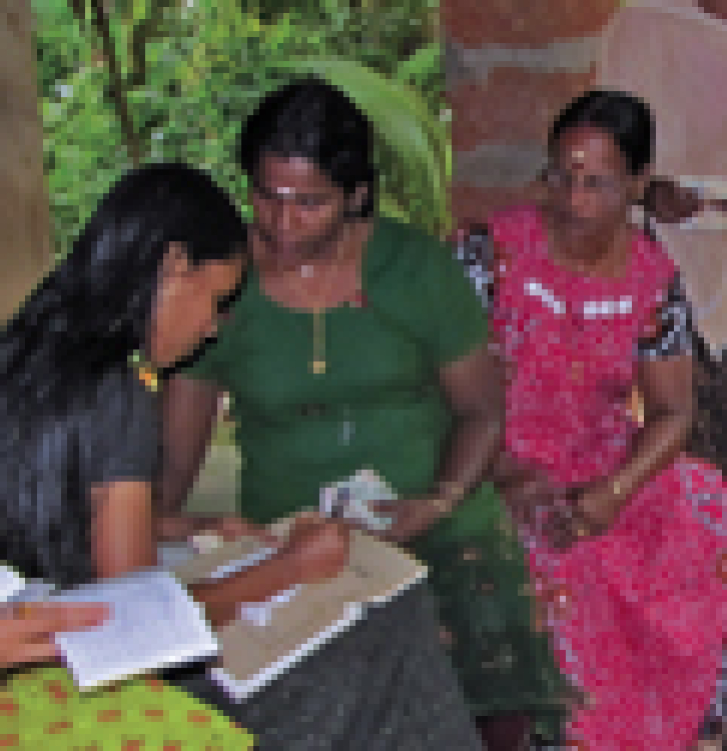
The Grameen Foundation’s Bankers Without Borders initiative applies skills-based volunteering to poverty alleviation.

More Than Good Intentions: How a New Economics Is Helping to Solve Global Poverty by Dean Karlan & Jacob Appel

There are unconventional methods one can use to evaluate advocacy organizations and make strategic investments in that arena.
It comes down to this: We’re all operating in a dysfunctional market for impact.


Funders are calling for more program evaluation, but nonprofits are often collecting dubious data, at great cost to themselves and ultimately to the people they serve.
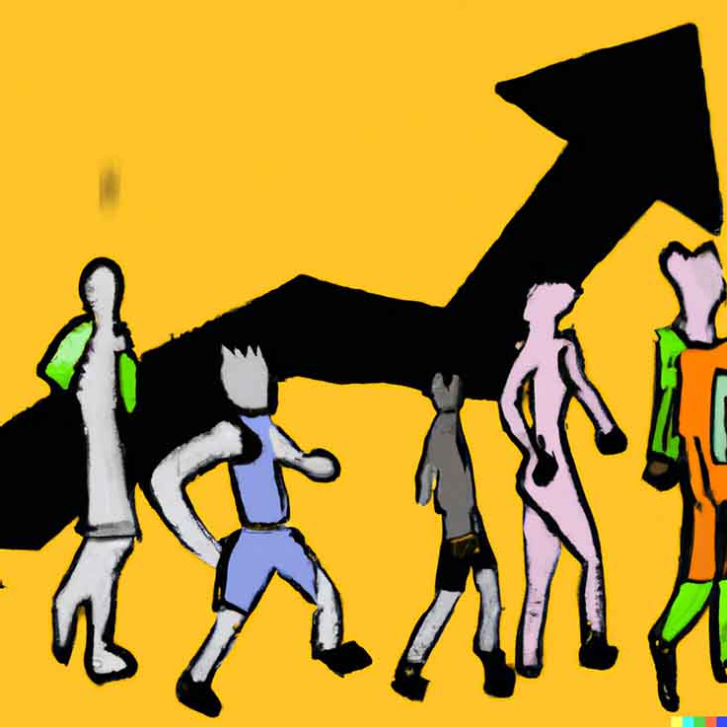
For NGOs, impact comes in different forms and to track the cycles of social change work, we must think across the tangibility and the speed of emergence of change.

With an understanding of these 10 funding models, nonprofit leaders can use the for-profit world's valuable practice of engaging in succinct and clear conversations about long-term financial strategy.

Conventional wisdom says that scaling social innovation starts with strengthening internal management capabilities. This study of 12 high-impact nonprofits, however, shows that real social change happens when organizations go outside their own walls and find creative ways to enlist the help of others.

Unethical behavior remains a persistent problem in nonprofits and for-profits alike. To help organizations solve that problem, the authors examine the factors that influence moral conduct, the ethical issues that arise specifically in charitable organizations, and the best ways to promote ethical behavior within organizations.