


Tongue-Tied at the Top
While boards sat in silence, executives milked American University and the Smithsonian.

While boards sat in silence, executives milked American University and the Smithsonian.
Generation Y leaders benefit from acting their age.
High school kids restore faith in the next generation of social change.

How can an innovative player in social entrepreneurship enable her exciting new idea to fulfill her dream of changing the world? This panel discussion of successful innovators examines the challenges of replicating and scaling ideas into massive realities of social change. Experts share their varied experience in identifying the important considerations that can grow a successful neighborhood social program into a global social venture.
Board experience proves invaluable to leadership development.


Large-scale social change requires broad cross-sector coordination, not the isolated intervention of individual organizations.

With an understanding of these 10 funding models, nonprofit leaders can use the for-profit world's valuable practice of engaging in succinct and clear conversations about long-term financial strategy.
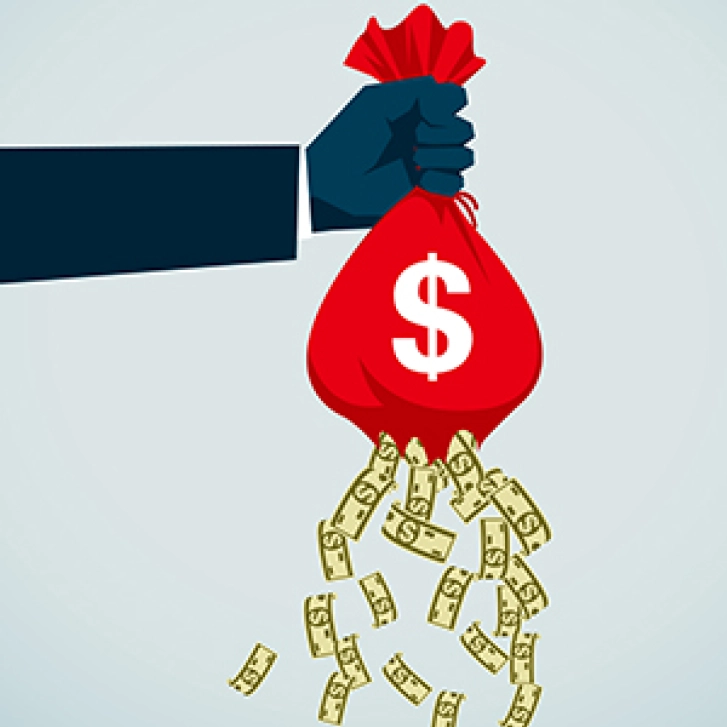
Funders must take the lead in breaking a vicious cycle that is leaving nonprofits so hungry for decent infrastructure that they can barely function as organizations—let alone serve their beneficiaries.

Conventional wisdom says that scaling social innovation starts with strengthening internal management capabilities. This study of 12 high-impact nonprofits, however, shows that real social change happens when organizations go outside their own walls and find creative ways to enlist the help of others.

Unethical behavior remains a persistent problem in nonprofits and for-profits alike. To help organizations solve that problem, the authors examine the factors that influence moral conduct, the ethical issues that arise specifically in charitable organizations, and the best ways to promote ethical behavior within organizations.