

Ten Nonprofit Funding Models
With an understanding of these 10 funding models, nonprofit leaders can use the for-profit world's valuable practice of engaging in succinct and clear conversations about long-term financial strategy.

With an understanding of these 10 funding models, nonprofit leaders can use the for-profit world's valuable practice of engaging in succinct and clear conversations about long-term financial strategy.
Former U.S. Ambassador to South Africa, James Joseph believes we must support those over 50 launching new careers later in life so they may continue to make significant contributions to society. In this audio lecture recorded at the Encore Career Summit, sponsored by the Center for Social Innovation at Stanford, Joseph reflects on what it takes to be a great leader in the second half of life. Using Nelson Mandela as a prototype, he reflects on how skills such as the ability to work with one's enemies are critical elements of the mature leader.

Uncharitable: How Restraints on Nonprofits Undermine Their Potential by Dan Pallotta
Skoll and Sundance hope documentary films prove powerful in making social change.
New leaders are initially given special license to shake things up.


Large-scale social change requires broad cross-sector coordination, not the isolated intervention of individual organizations.
With an understanding of these 10 funding models, nonprofit leaders can use the for-profit world's valuable practice of engaging in succinct and clear conversations about long-term financial strategy.
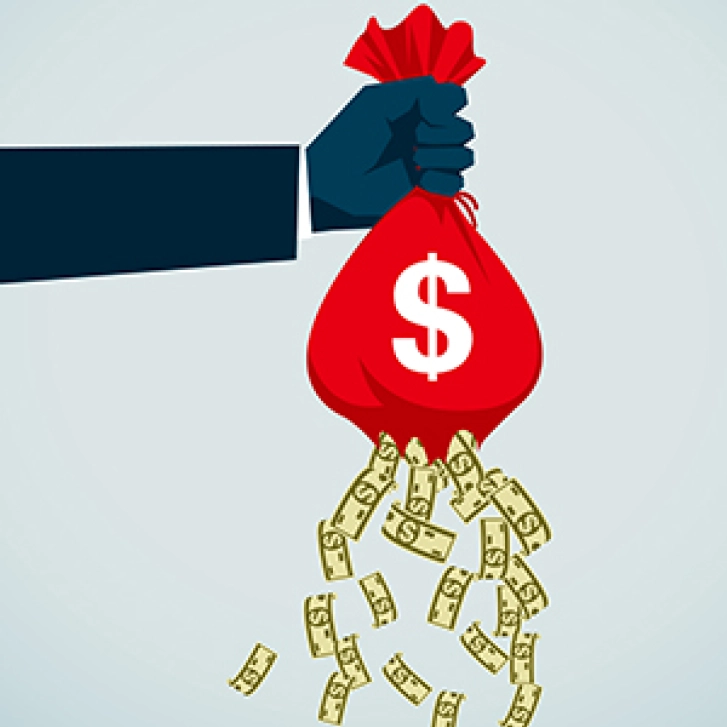
Funders must take the lead in breaking a vicious cycle that is leaving nonprofits so hungry for decent infrastructure that they can barely function as organizations—let alone serve their beneficiaries.

Conventional wisdom says that scaling social innovation starts with strengthening internal management capabilities. This study of 12 high-impact nonprofits, however, shows that real social change happens when organizations go outside their own walls and find creative ways to enlist the help of others.

Unethical behavior remains a persistent problem in nonprofits and for-profits alike. To help organizations solve that problem, the authors examine the factors that influence moral conduct, the ethical issues that arise specifically in charitable organizations, and the best ways to promote ethical behavior within organizations.