

Coming to Terms With the Future of Nonprofit Leadership
As Baby Boomers retire, we need to think about how the next generation of nonprofit leaders will be different.
As Baby Boomers retire, we need to think about how the next generation of nonprofit leaders will be different.

Social enterprise and innovation are about more than just invention. In this panel discussion, experts argue that diffusion or scaling up ideas is an integral part of making truly effective social change. Educators, nonprofit executives, and philanthropists share their perspectives about how to take innovative ideas for social change to that tipping point where they can create large-scale, lasting positive effects.
We should be focused on cultivating and developing the leaders we already have in the nonprofit sector, instead of trying to attract 640,000 new ones.
Social innovators need to hold a positive vision of where we can go, and must work on building faith that there is a common good and that people can work together.

Now, more than ever, nonprofit leaders need to know how to maximize their social impact. Center for Social Innovation researcher Heather McLeod Grant shares some of the groundbreaking research explored in her coauthored book Forces for Good: The Six Practices of High-Impact Nonprofits. Drawing on her extensive study of nonprofit leaders and organizations, Grant reveals that success isn't just about "nonprofit management," but about creating larger systemic change. She shares three of the six practices for making such transformation possible.


Large-scale social change requires broad cross-sector coordination, not the isolated intervention of individual organizations.

With an understanding of these 10 funding models, nonprofit leaders can use the for-profit world's valuable practice of engaging in succinct and clear conversations about long-term financial strategy.
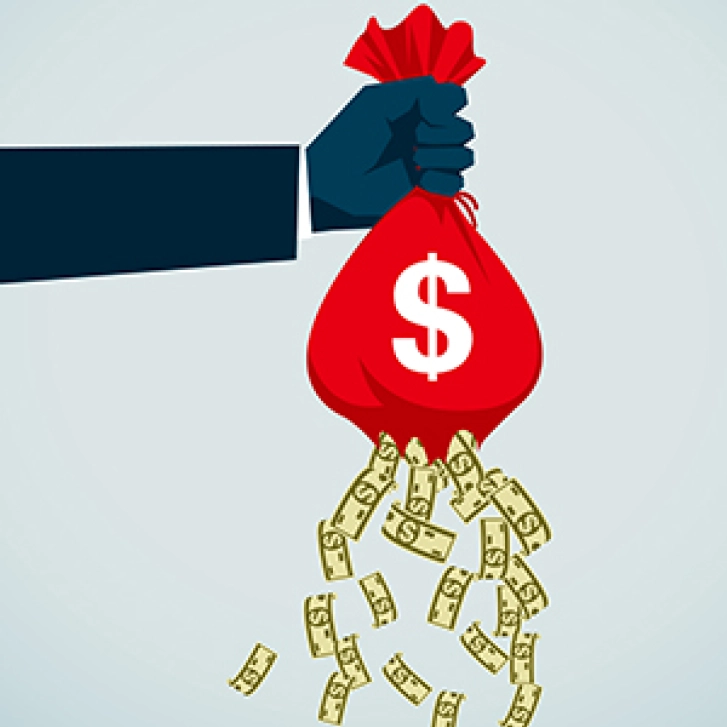
Funders must take the lead in breaking a vicious cycle that is leaving nonprofits so hungry for decent infrastructure that they can barely function as organizations—let alone serve their beneficiaries.

Conventional wisdom says that scaling social innovation starts with strengthening internal management capabilities. This study of 12 high-impact nonprofits, however, shows that real social change happens when organizations go outside their own walls and find creative ways to enlist the help of others.

Unethical behavior remains a persistent problem in nonprofits and for-profits alike. To help organizations solve that problem, the authors examine the factors that influence moral conduct, the ethical issues that arise specifically in charitable organizations, and the best ways to promote ethical behavior within organizations.