


Philanthropy Doesn’t Care About Black People
It's high time for the nonprofit sector to put race on the table.
It's high time for the nonprofit sector to put race on the table.

You can learn more from your mistakes than from your successes. Paul Schmitz, president and CEO of Public Allies, gives a sampling of classic foibles of not only social entrepreneurs, but leaders in general.

As the wall between the nonprofit and corporate worlds crumbles, many social change organizations are asking themselves: Do we stick to our activist guns, or do we cross the divide and work with business? Research suggests that social movements need both kinds of organizations to make the changes they seek.

Conventional wisdom says that scaling social innovation starts with strengthening internal management capabilities. This study of 12 high-impact nonprofits, however, shows that real social change happens when organizations go outside their own walls and find creative ways to enlist the help of others.

Human-caused climate change, sharply declining conventional energy sources, and population growth are threatening the very platform of human life. Yet only 5 percent of U.S. foundation spending goes to the environment, and a paltry 2.9 percent goes to science and technology.


Large-scale social change requires broad cross-sector coordination, not the isolated intervention of individual organizations.

With an understanding of these 10 funding models, nonprofit leaders can use the for-profit world's valuable practice of engaging in succinct and clear conversations about long-term financial strategy.
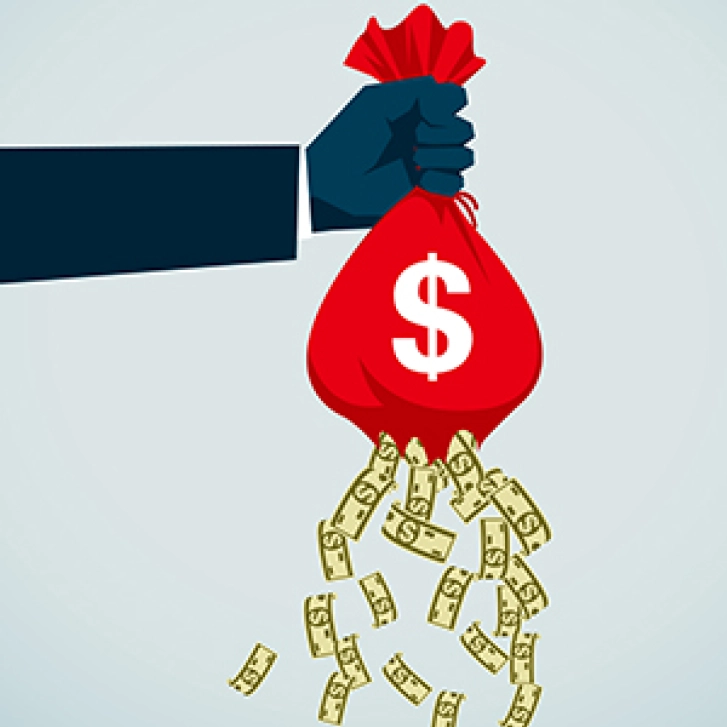
Funders must take the lead in breaking a vicious cycle that is leaving nonprofits so hungry for decent infrastructure that they can barely function as organizations—let alone serve their beneficiaries.
Conventional wisdom says that scaling social innovation starts with strengthening internal management capabilities. This study of 12 high-impact nonprofits, however, shows that real social change happens when organizations go outside their own walls and find creative ways to enlist the help of others.

Unethical behavior remains a persistent problem in nonprofits and for-profits alike. To help organizations solve that problem, the authors examine the factors that influence moral conduct, the ethical issues that arise specifically in charitable organizations, and the best ways to promote ethical behavior within organizations.