


sponsored
No City Stands Alone
Lessons from Los Angeles, Chicago, and Minneapolis on defending our neighbors and democracy
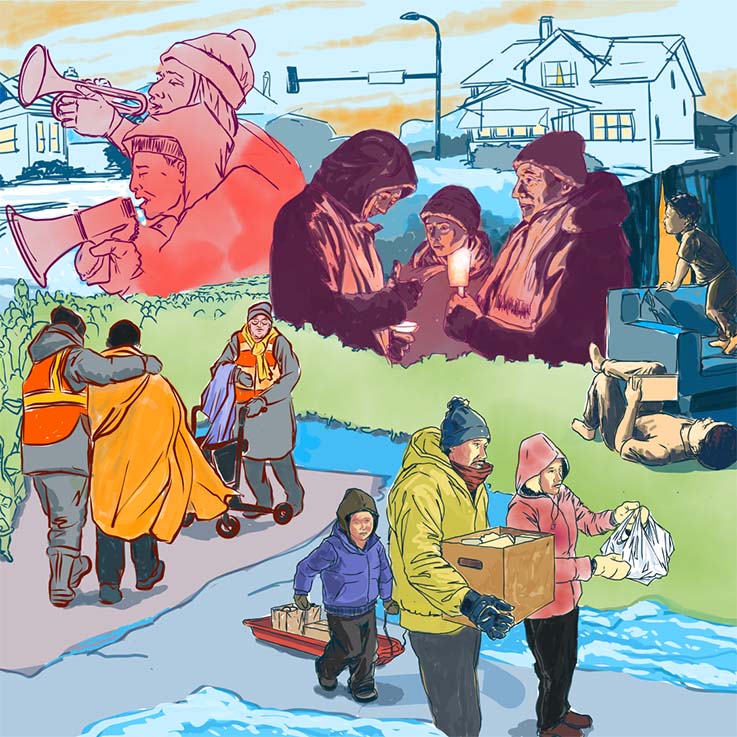
Lessons from Los Angeles, Chicago, and Minneapolis on defending our neighbors and democracy

Building power in communities now will protect them from the next threat to democracy.
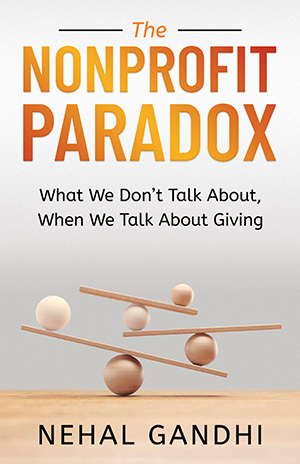
An excerpt from The Nonprofit Paradox by Nehal Gandhi
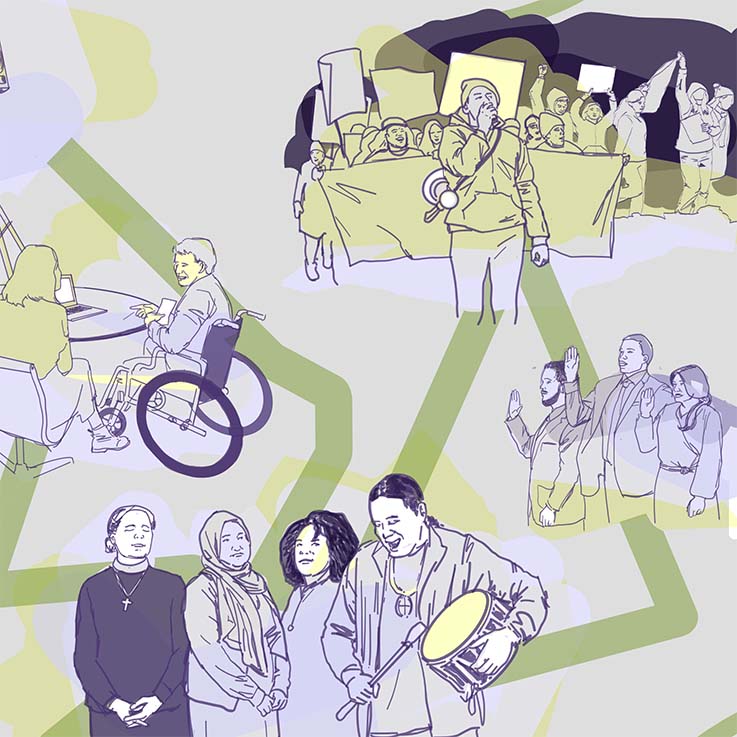
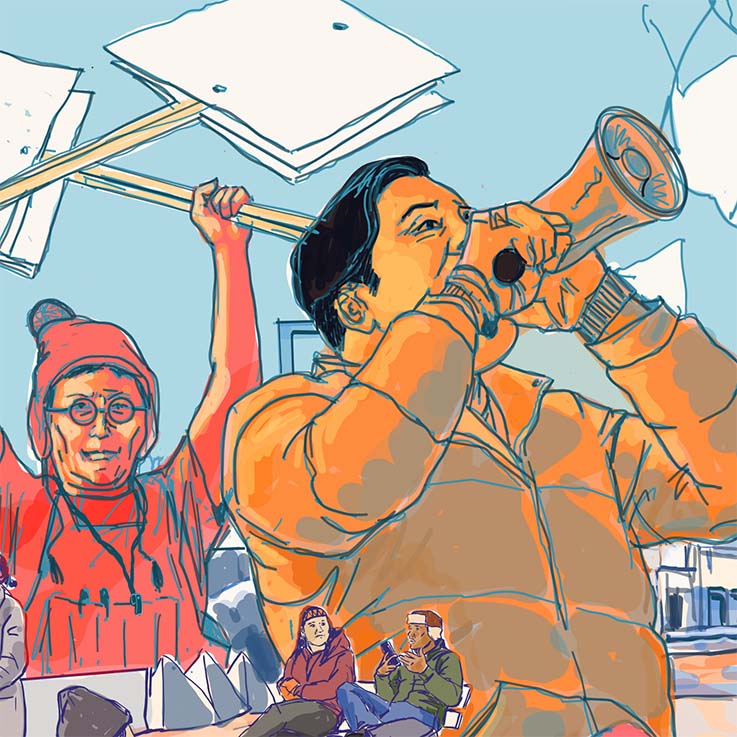
Recognition, distortion, and the organizing infrastructure behind Minnesota's response to Operation Metro Surge.


Funders are calling for more program evaluation, but nonprofits are often collecting dubious data, at great cost to themselves and ultimately to the people they serve.

Large-scale social change requires broad cross-sector coordination, not the isolated intervention of individual organizations.

For NGOs, impact comes in different forms and to track the cycles of social change work, we must think across the tangibility and the speed of emergence of change.

With an understanding of these 10 funding models, nonprofit leaders can use the for-profit world's valuable practice of engaging in succinct and clear conversations about long-term financial strategy.

Fair Trade-certified coffee is growing in sales, but strict certification requirements are resulting in uneven economic advantages for coffee growers and lower quality coffee for consumers.