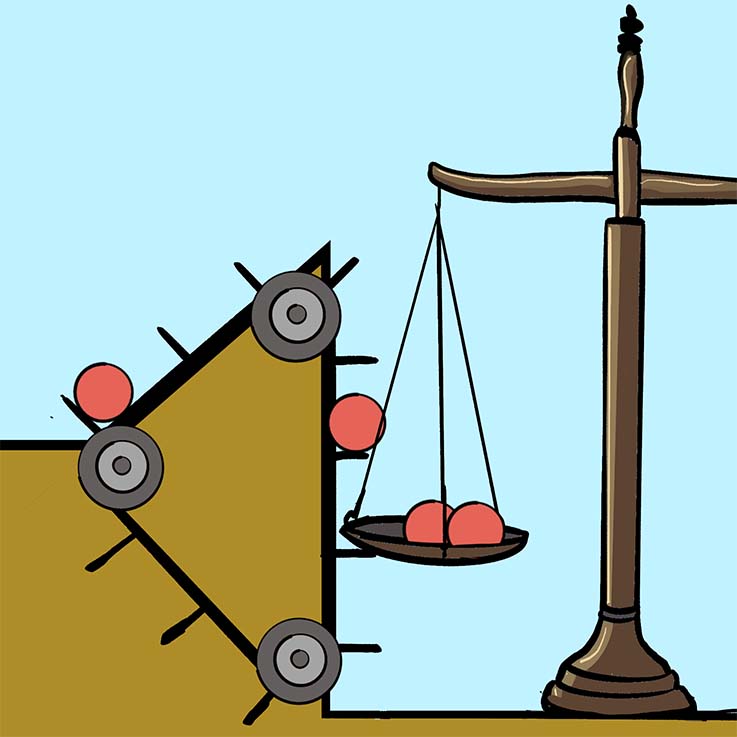
The Low-Cost AI Illusion
What the next economic phase of artificial intelligence means for public interest work and how organizations can protect equity, access, and themselves.
Abundance and justice aren't mutually exclusive. Narrative lessons from three major advocacy movements of recent years.
As international aid to improve education outcomes declines, a new partnership model shows the key to success isn't external funding, it's strategic integration into existing public education systems.
How organizations can close the gap between measurement and implementation
An excerpt from The Hypocrisy Trap on how to avoid it
Funders are calling for more program evaluation, but nonprofits are often collecting dubious data, at great cost to themselves and ultimately to the people they serve.
Large-scale social change requires broad cross-sector coordination, not the isolated intervention of individual organizations.
For NGOs, impact comes in different forms and to track the cycles of social change work, we must think across the tangibility and the speed of emergence of change.
With an understanding of these 10 funding models, nonprofit leaders can use the for-profit world's valuable practice of engaging in succinct and clear conversations about long-term financial strategy.
Fair Trade-certified coffee is growing in sales, but strict certification requirements are resulting in uneven economic advantages for coffee growers and lower quality coffee for consumers.