


Big Payoffs from Small Savings
SaveTogether wants to foster the savings habit among low-income Americans.
SaveTogether wants to foster the savings habit among low-income Americans.
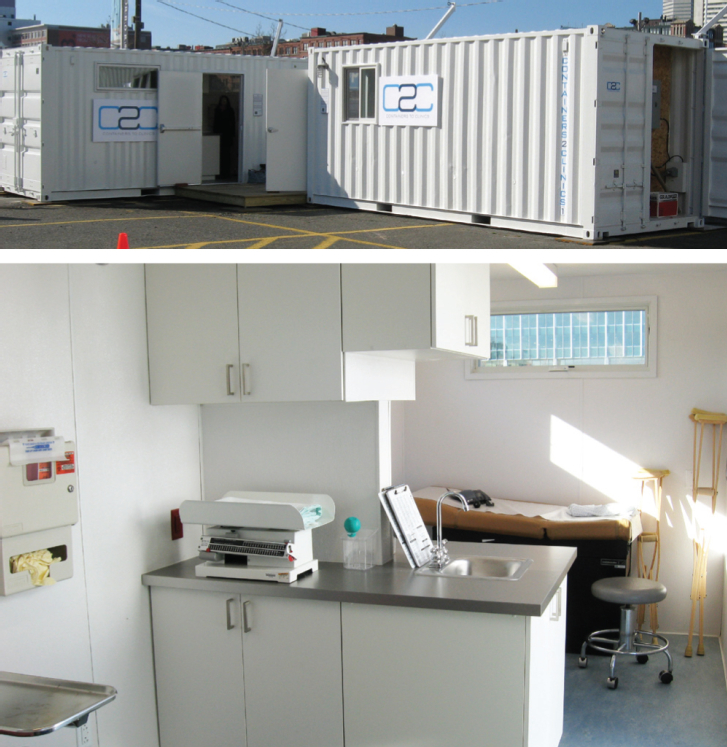
Used shipping containers become health care clinics in the developing world.
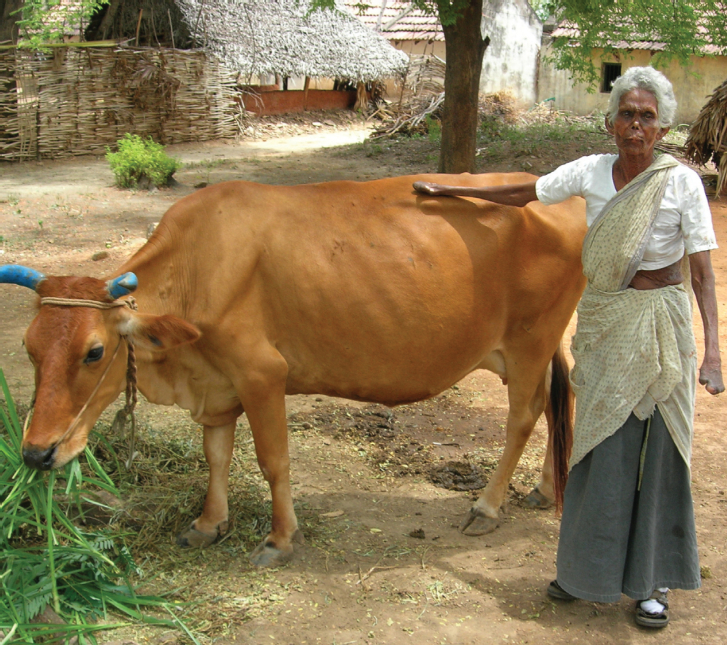
Microlending in leprosy colonies frees residents from poverty, shame, and isolation.
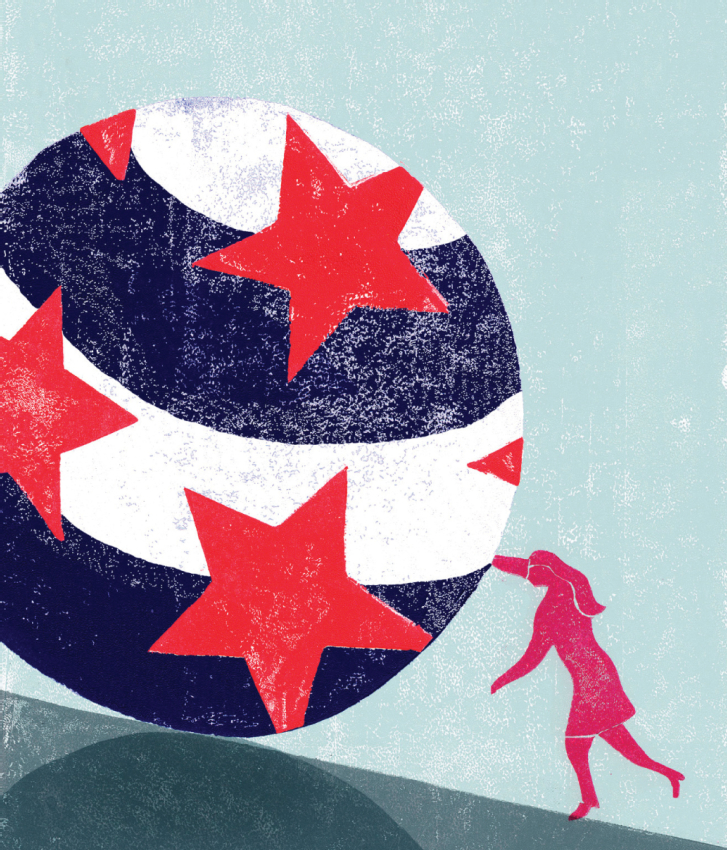
What it takes to make change in the U.S. State Department.
A new social enterprise incubator fills two critical gaps facing social entrepreneurs: mentoring and access to capital.


Funders are calling for more program evaluation, but nonprofits are often collecting dubious data, at great cost to themselves and ultimately to the people they serve.

Large-scale social change requires broad cross-sector coordination, not the isolated intervention of individual organizations.

For NGOs, impact comes in different forms and to track the cycles of social change work, we must think across the tangibility and the speed of emergence of change.

With an understanding of these 10 funding models, nonprofit leaders can use the for-profit world's valuable practice of engaging in succinct and clear conversations about long-term financial strategy.

Fair Trade-certified coffee is growing in sales, but strict certification requirements are resulting in uneven economic advantages for coffee growers and lower quality coffee for consumers.