Working Wikily
A few nonprofits are using social media to fundamentally change the way they work and increase their social impact.
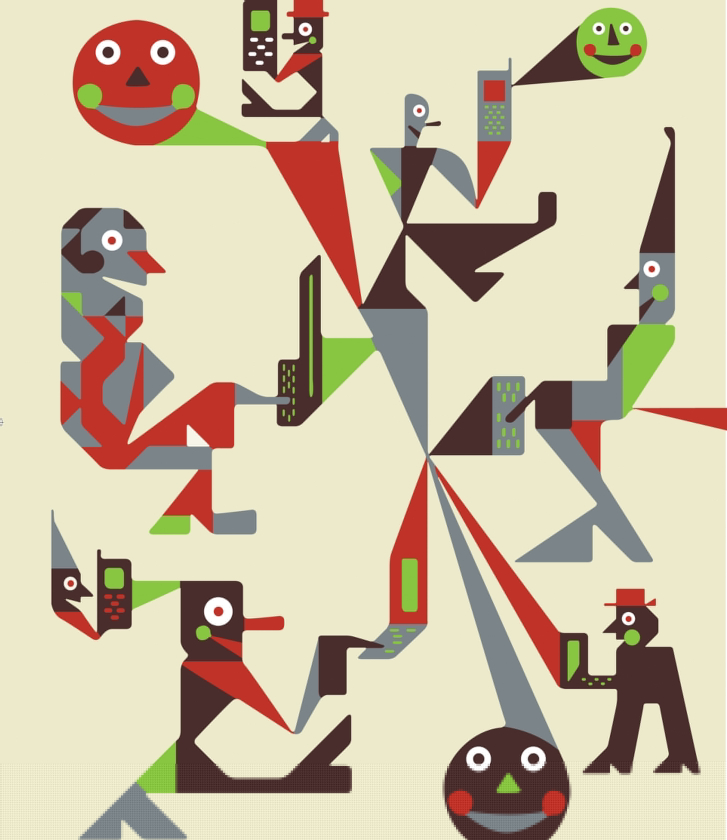
A few nonprofits are using social media to fundamentally change the way they work and increase their social impact.

MOVING POLITICS: Emotions and ACT UP’s Fight Against AIDS by Deborah B. Gould
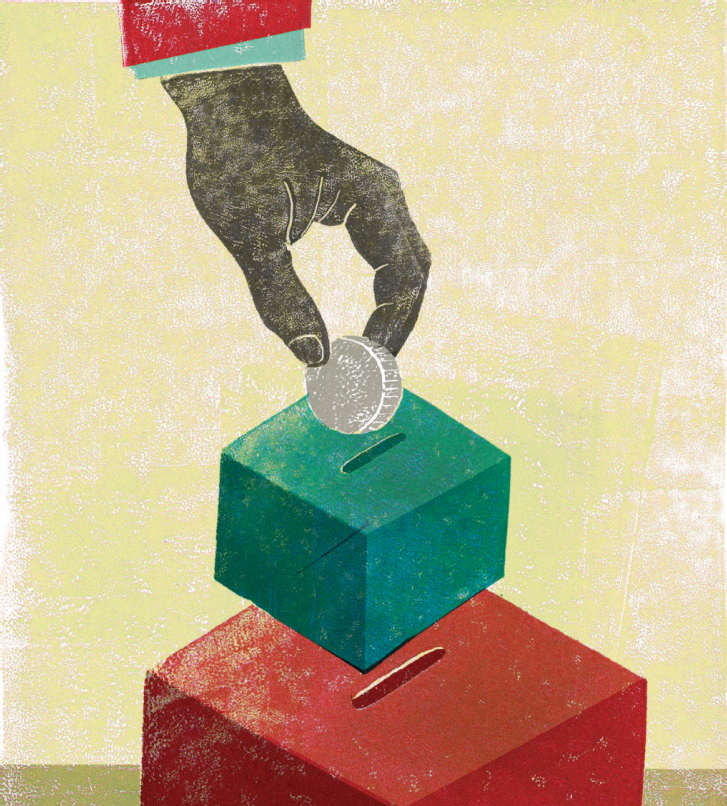
Why nonprofits should court contributions that help both themselves and society.
Hope Runs is a nonprofit social enterprise working in Kenya and Tanzania that uses athletics, education, and social entrepreneurship to empower AIDS orphans. In this audio interview, founders Claire Williams and Lara Vogel talk about how they have turned their idea of using marathon running to "outpace poverty" into a vital organization that partners with AIDS orphanages to have a real influence in children's lives. They discuss their model, how they use volunteers, and advice for social entrepreneurs.
A few ideas to consider if you’re trying to figure out how to create your own path.


Funders are calling for more program evaluation, but nonprofits are often collecting dubious data, at great cost to themselves and ultimately to the people they serve.

Large-scale social change requires broad cross-sector coordination, not the isolated intervention of individual organizations.

For NGOs, impact comes in different forms and to track the cycles of social change work, we must think across the tangibility and the speed of emergence of change.

With an understanding of these 10 funding models, nonprofit leaders can use the for-profit world's valuable practice of engaging in succinct and clear conversations about long-term financial strategy.

Fair Trade-certified coffee is growing in sales, but strict certification requirements are resulting in uneven economic advantages for coffee growers and lower quality coffee for consumers.