


Filling the Gaps in Collective Impact
Nine supporting activities that can help make collective impact approaches to social change more nuanced and rigorous.
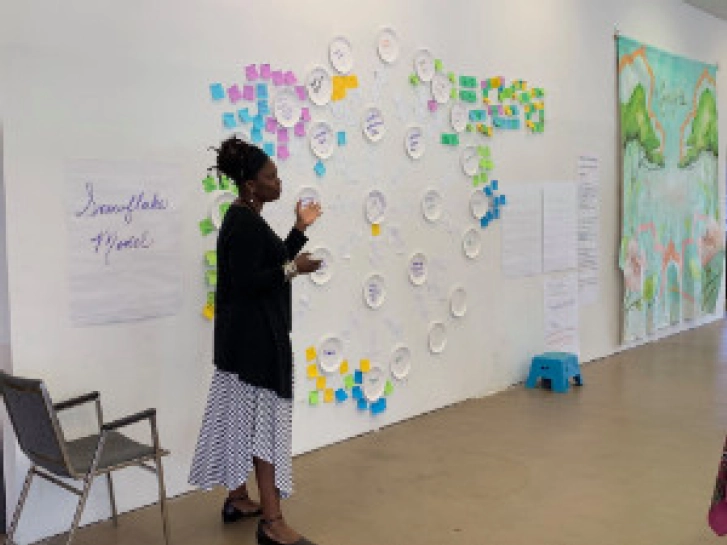
Nine supporting activities that can help make collective impact approaches to social change more nuanced and rigorous.
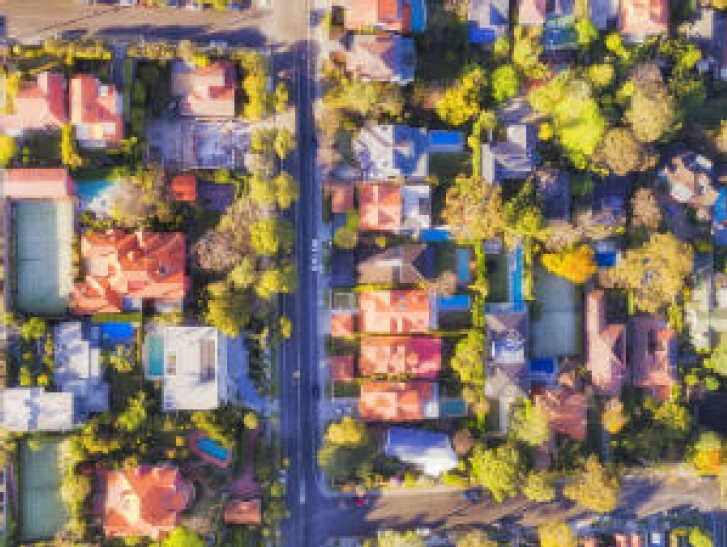
Foundations, governments, and crowdfunding platforms show how Opportunity Zones can live up to their promise of making investors money while helping struggling communities across the United States.

Three recommendations on how impact investors can foster more sustainable changes in Sub-Saharan Africa and its tech sectors by focusing less on "sexy" individual startups and more on universities, hubs, and research and development institutions.

Social-impact reports using language imported from business, finance, accounting, and corporate human resources cause nonprofit employees to feel estranged from their own values and the purported values of their organizations. A Research article from the Fall 2019 issue.

Nonprofits that wish to integrate revenue-generating activities into their operations must think strategically about who will benefit from them and how they will further their social mission. A feature story from the Fall 2019 issue.


Funders are calling for more program evaluation, but nonprofits are often collecting dubious data, at great cost to themselves and ultimately to the people they serve.

Large-scale social change requires broad cross-sector coordination, not the isolated intervention of individual organizations.
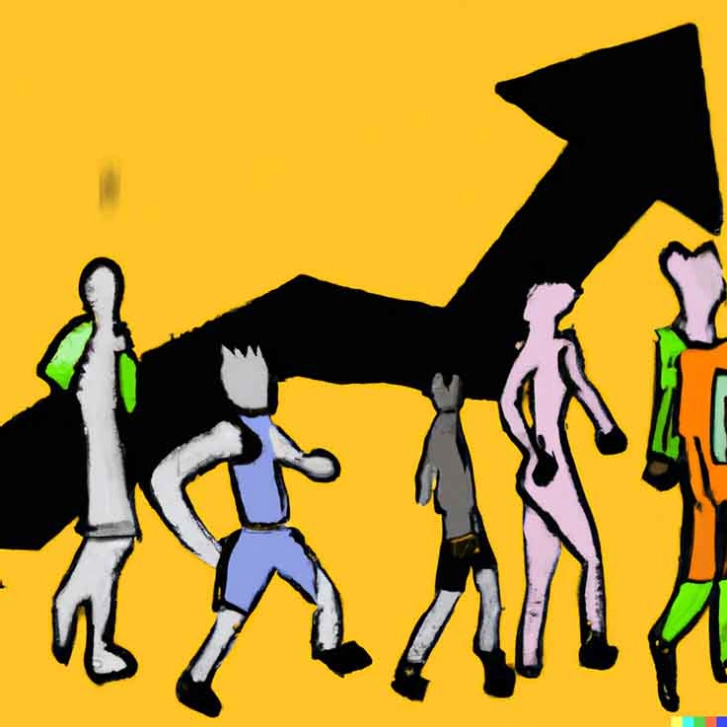
For NGOs, impact comes in different forms and to track the cycles of social change work, we must think across the tangibility and the speed of emergence of change.

With an understanding of these 10 funding models, nonprofit leaders can use the for-profit world's valuable practice of engaging in succinct and clear conversations about long-term financial strategy.
Fair Trade-certified coffee is growing in sales, but strict certification requirements are resulting in uneven economic advantages for coffee growers and lower quality coffee for consumers.