


Future-Oriented Leadership
Purpose, values, and humility will be the social sector’s greatest strengths.

Purpose, values, and humility will be the social sector’s greatest strengths.
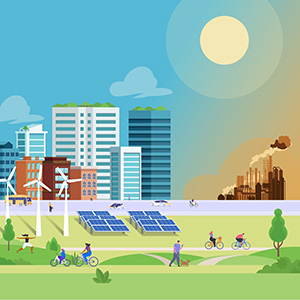
Renewables are more reliable and affordable compared to their oil- and gas-powered alternatives. Can they survive political headwinds and continue to make big gains in the United States?

In an age of lawsuits, storytelling is paramount for long-term progress.
An excerpt from Technology for Good on using technology to create innovative and cost-effective ways to deliver programs

Why philanthropy must see disruption not as a detour but as an opportunity to positively transform systems—and three strategies to lead the way.


Funders are calling for more program evaluation, but nonprofits are often collecting dubious data, at great cost to themselves and ultimately to the people they serve.

Large-scale social change requires broad cross-sector coordination, not the isolated intervention of individual organizations.
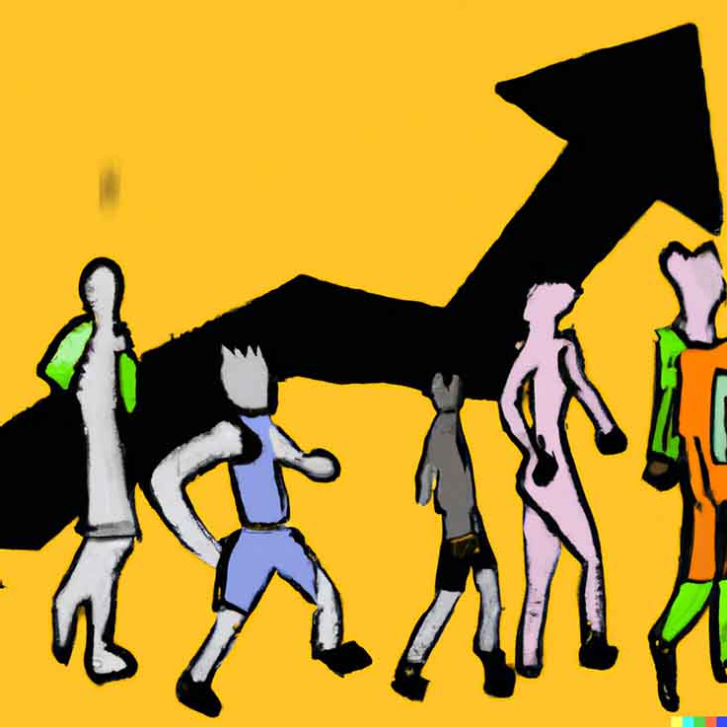
For NGOs, impact comes in different forms and to track the cycles of social change work, we must think across the tangibility and the speed of emergence of change.

With an understanding of these 10 funding models, nonprofit leaders can use the for-profit world's valuable practice of engaging in succinct and clear conversations about long-term financial strategy.

Fair Trade-certified coffee is growing in sales, but strict certification requirements are resulting in uneven economic advantages for coffee growers and lower quality coffee for consumers.