


Punished for Pro-Social Work
Employees who volunteer for social impact work may see careers harmed by sexist biases.

Employees who volunteer for social impact work may see careers harmed by sexist biases.
A look at how nonprofits and nonprofit workers in the United States changed during the COVID-19 pandemic—and how to navigate the new changes ahead.

Neither top-down nor bottom-up leadership is adequate for solving complex social challenges. We need to combine the strengths of both.
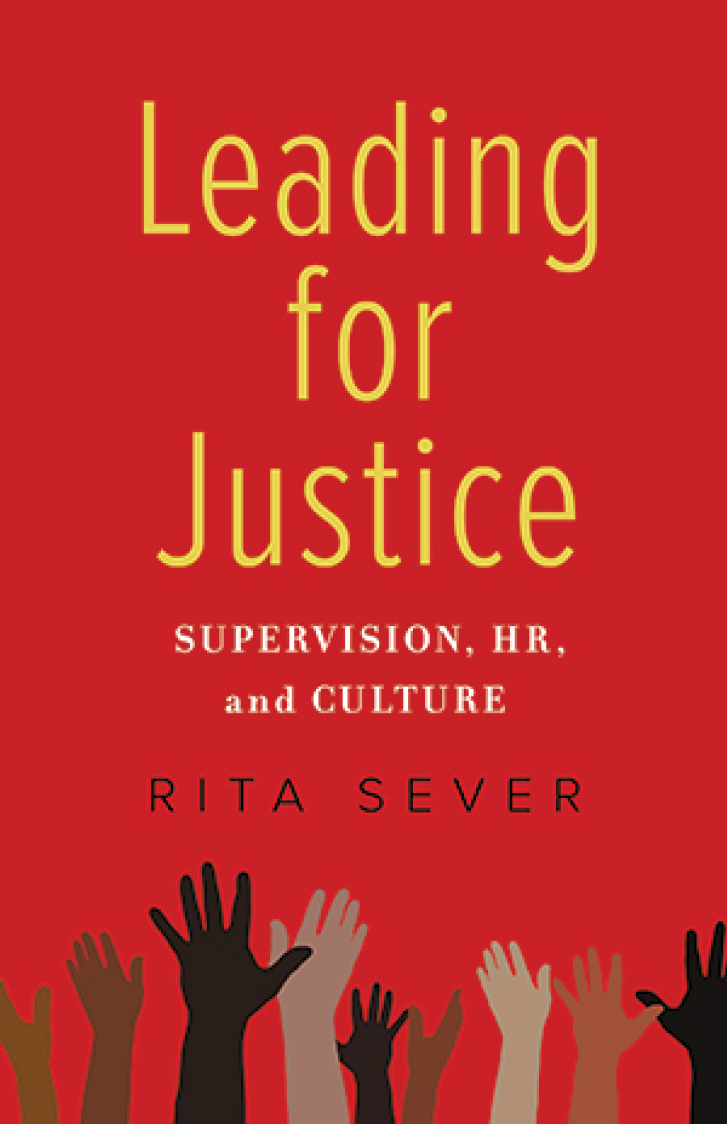
An excerpt from Leading for Justice on going beyond compliance and compensation in HR.

The hacktivist collective built a framework to encourage and guide participation without direct oversight.


Professionalism has become coded language for white favoritism in workplace practices that more often than not leave behind people of color. This is the fourth of 10 articles in a special series about diversity, equity, and inclusion.

More nonprofits are managing their brands to create greater impact and organizational cohesion.

The key to creating a vibrant and sustainable company is to find ways to get all employees personally engaged in day-to-day corporate sustainability efforts.

In the face of increasingly pressing systemic inequities, nonprofit boards must change the traditional ways they have worked and instead prioritize an organization's purpose, show respect for the ecosystem in which they operate, commit to equity, and recognize that power must be authorized by the people they're aiming to help.

Five practical considerations for organizations that want to use intentional influence to achieve a bold social goal.