


Our Best Bet Is a Long Bet
A doer’s perspective on big bets

A doer’s perspective on big bets

In exploring how to measure impact, we seek partners to share insights and develop frameworks to help solve social problems.
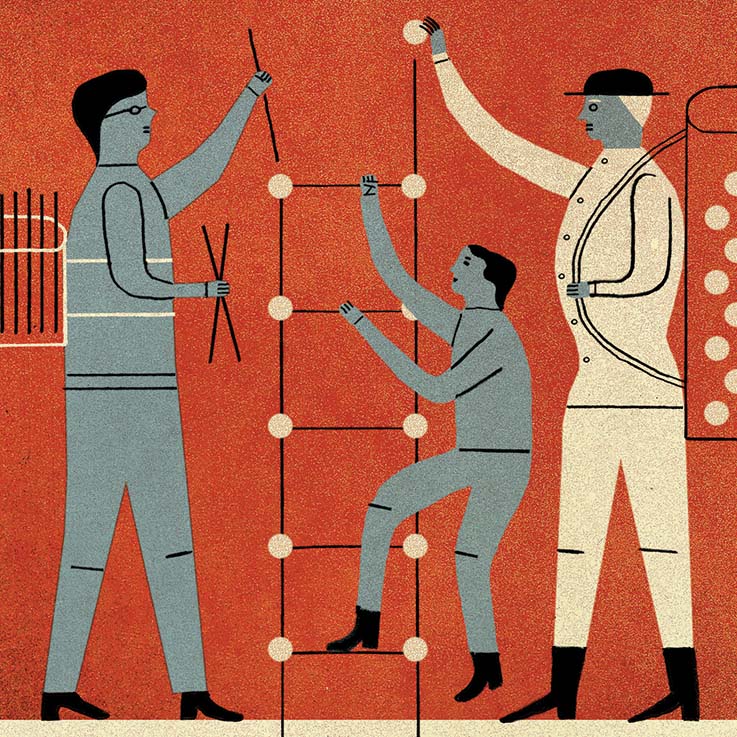
Impact measurement evolves with changing times and circumstances. That dynamic offers opportunities to innovate, as the HKJC Charities Trust found.

Children Heard and Seen counsels young people with incarcerated parents, helping them to heal from trauma and plot a different course.

We can make progress by targeting big problems that are acknowledged across partisan lines and can galvanize supermajority support to solve them.


With an understanding of these 10 funding models, nonprofit leaders can use the for-profit world's valuable practice of engaging in succinct and clear conversations about long-term financial strategy.

A decade of applying the collective impact approach to address social problems has taught us that equity is central to the work.
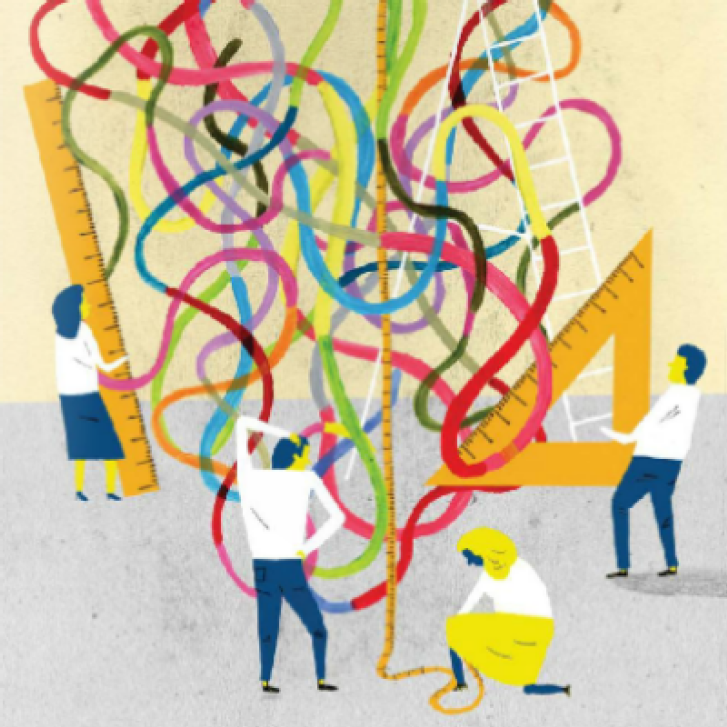
Too many people believe social value is objective, fixed, and stable, when in fact it is subjective, malleable, and variable.

To do as much good as possible with limited resources, funders should look to woefully underfunded protest movements.

Racial bias creeps into all parts of the philanthropic and grantmaking process. The result is that nonprofits led by people of color receive less money than those led by whites, and philanthropy ends up reinforcing the very social ills it says it is trying to overcome.