


Three Things Nonprofits Should Prioritize in the Wake of COVID-19
Why organizations need to examine their social impact, economic viability, and capacity to deliver in order to remain relevant and viable both now and into the future.

Why organizations need to examine their social impact, economic viability, and capacity to deliver in order to remain relevant and viable both now and into the future.
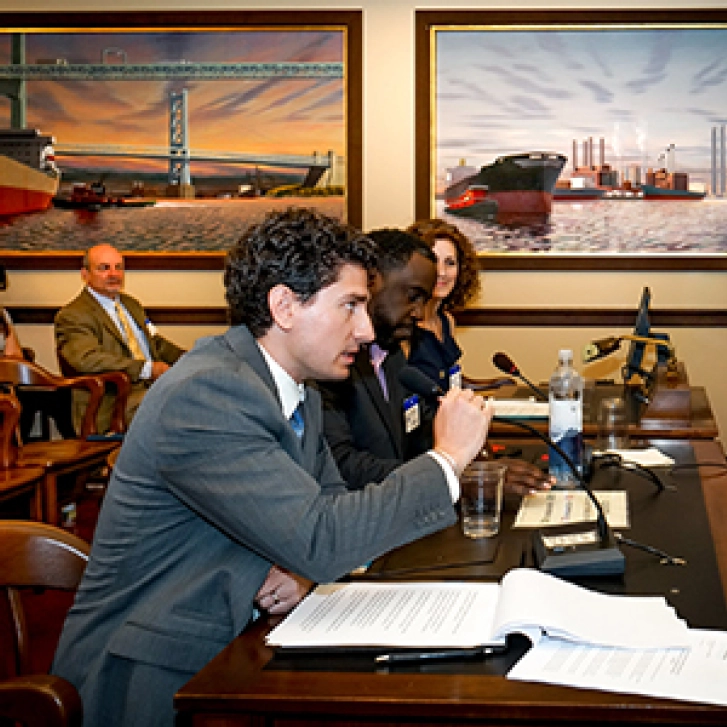
How foundations, journalists, and community organizers in New Jersey passed the nation’s first civic information bill.

Faced with unprecedented conditions caused by the coronavirus pandemic, organizations are rapidly adapting to serve the greatest number of people in need, now. The speed of change has been remarkable.

Community-led responses to the COVID-19 epidemic are providing a model for treating the vulnerable that should remain when this crisis comes to an end.

An excerpt from a new book on social innovation theory proposes three frameworks to ensure the creation of social value.


With an understanding of these 10 funding models, nonprofit leaders can use the for-profit world's valuable practice of engaging in succinct and clear conversations about long-term financial strategy.

A decade of applying the collective impact approach to address social problems has taught us that equity is central to the work.

Too many people believe social value is objective, fixed, and stable, when in fact it is subjective, malleable, and variable.

To do as much good as possible with limited resources, funders should look to woefully underfunded protest movements.

Racial bias creeps into all parts of the philanthropic and grantmaking process. The result is that nonprofits led by people of color receive less money than those led by whites, and philanthropy ends up reinforcing the very social ills it says it is trying to overcome.