


A Social Movement for Conservation
Because government action will always be dependent on public support, leading conservation organizations must focus on building a constituency for nature.
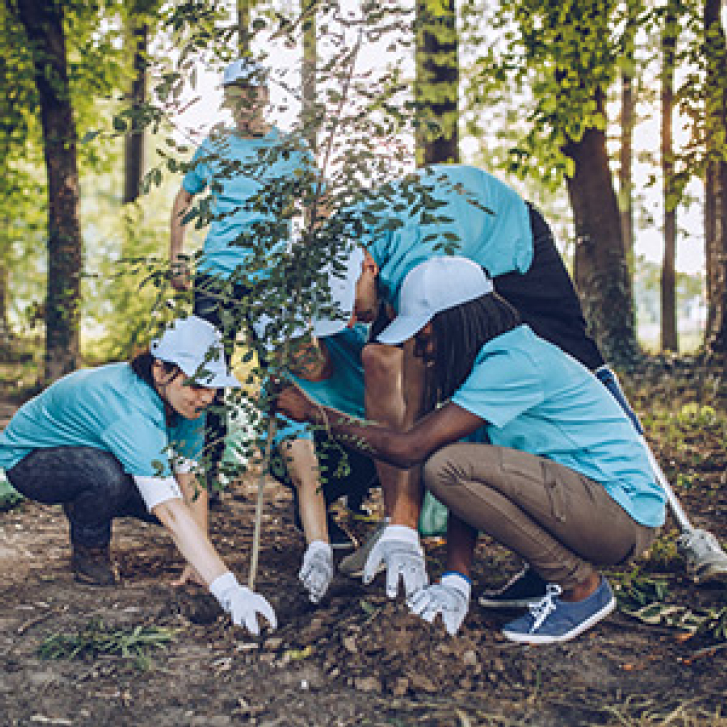
Because government action will always be dependent on public support, leading conservation organizations must focus on building a constituency for nature.

Amid foundations' necessary and immediate responses to the COVID-19 crisis, there are unusual opportunities to advance their long-term goals of building more just and equitable societies.

The COVID-19 crisis is threatening small and growing businesses in low-income nations and the capacity development organizations (CDOs) they depend upon. Helping CDOs overcome three types of financial challenges is critical to responding to the current and coming economic devastation.

Lessons learned at Friends of the Children about maintaining stability in service during this crisis and the next one.

Racial bias creeps into all parts of the philanthropic and grantmaking process. The result is that nonprofits led by people of color receive less money than those led by whites, and philanthropy ends up reinforcing the very social ills it says it is trying to overcome.


With an understanding of these 10 funding models, nonprofit leaders can use the for-profit world's valuable practice of engaging in succinct and clear conversations about long-term financial strategy.

A decade of applying the collective impact approach to address social problems has taught us that equity is central to the work.

Too many people believe social value is objective, fixed, and stable, when in fact it is subjective, malleable, and variable.

To do as much good as possible with limited resources, funders should look to woefully underfunded protest movements.
Racial bias creeps into all parts of the philanthropic and grantmaking process. The result is that nonprofits led by people of color receive less money than those led by whites, and philanthropy ends up reinforcing the very social ills it says it is trying to overcome.