


After the Pandemic: Addressing the Permanent Crisis With Pay for Success Programs
Governments have an opportunity to partner with impact investors and philanthropists to turn emergency spending into long-term impact.

Governments have an opportunity to partner with impact investors and philanthropists to turn emergency spending into long-term impact.

A list of SSIR articles to help social change leaders address operational and financial problems due to the COVID-19 crisis and other situations like it.
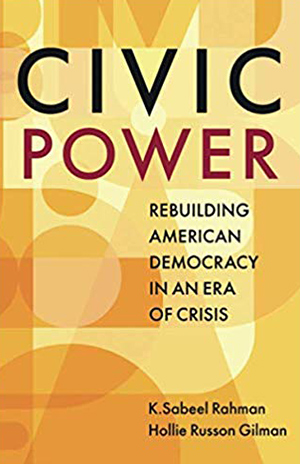
An excerpt from a new book on rebuilding American democracy in an era of crisis.

Conventional routes to scaling impact don’t always work. Conservation nonprofits and social ventures should be wary of the lure of a large partner and consider replicating from the grassroots instead.

A reflection on how a set of strategies related to target-setting, financial modeling, program measurement, and organizational culture helped one organization reach a major milestone.


With an understanding of these 10 funding models, nonprofit leaders can use the for-profit world's valuable practice of engaging in succinct and clear conversations about long-term financial strategy.

A decade of applying the collective impact approach to address social problems has taught us that equity is central to the work.

Too many people believe social value is objective, fixed, and stable, when in fact it is subjective, malleable, and variable.

To do as much good as possible with limited resources, funders should look to woefully underfunded protest movements.

Racial bias creeps into all parts of the philanthropic and grantmaking process. The result is that nonprofits led by people of color receive less money than those led by whites, and philanthropy ends up reinforcing the very social ills it says it is trying to overcome.