


Leading Systems Change
An excerpt from Leading Systems Change explores how to create and sustain community engagement over time.
An excerpt from Leading Systems Change explores how to create and sustain community engagement over time.

Instead of plugging numbers into a traditional formula, taking another look at foundation spending policies is an opportunity for an engaged board to grapple with central strategic questions.

By embracing community-based participatory research and other equity approaches to data, philanthropy can change the game, revitalize research and communities, and realize greater impact.

As traditional sources of charity shrink and donors increasingly look for more impact from their gifts, venture capital's role in philanthropy has expanded. To explore the trends and what they mean for giving, SSIR's publisher Michael Voss speaks with Jim Bildner, CEO of Draper Richards Kaplan Foundation, and Julia Reed, managing director of relationship management with Schwab Charitable. A sponsored podcast developed with the support of DAFgiving360.

A conversation about the Tax Cuts and Jobs Act, US economic performance, and people's charitable giving with Una Osili, associate dean for research and international programs at the Indiana University Lilly Family School of Philanthropy; Hayden Adams, director of tax and financial planning at the Schwab Center for Financial Research; and Michael Voss, publisher of SSIR. A sponsored podcast developed with the support of DAFgiving360.


With an understanding of these 10 funding models, nonprofit leaders can use the for-profit world's valuable practice of engaging in succinct and clear conversations about long-term financial strategy.
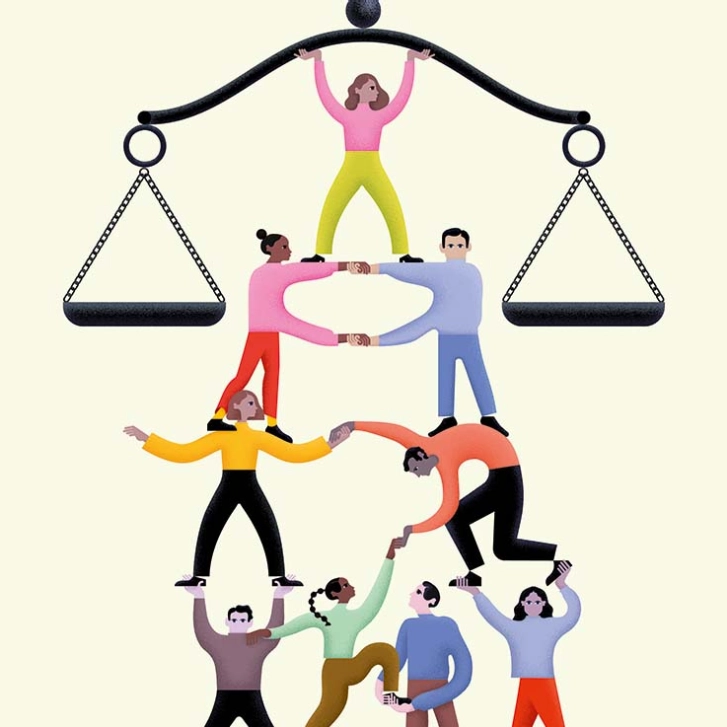
A decade of applying the collective impact approach to address social problems has taught us that equity is central to the work.
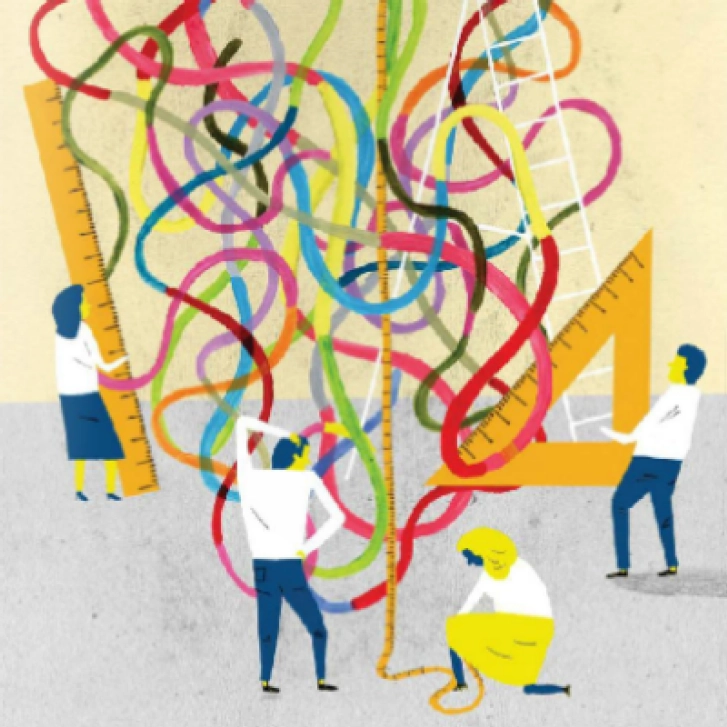
Too many people believe social value is objective, fixed, and stable, when in fact it is subjective, malleable, and variable.

To do as much good as possible with limited resources, funders should look to woefully underfunded protest movements.

Racial bias creeps into all parts of the philanthropic and grantmaking process. The result is that nonprofits led by people of color receive less money than those led by whites, and philanthropy ends up reinforcing the very social ills it says it is trying to overcome.