Upgrading a Network
Girl Scouts of the USA has overhauled everything from its federated structure to its information technology systems to the way that Girl Scouts sell their fabled cookies.

Girl Scouts of the USA has overhauled everything from its federated structure to its information technology systems to the way that Girl Scouts sell their fabled cookies.
Ariadne Labs, founded by Atul Gawande, seeks to improve outcomes by getting health-care organizations to adopt proven interventions.

Low-cost tech tools that work for an organization in the beginning can later get in the way of progress. A look at how organizations can successfully transition to new tools as they scale—and increase their impact as a result.
To achieve large-scale, long-term success, wildlife conservationists need to think like the private sector and invest in business innovation.
Applying the structure of a holding company to the nonprofit and social enterprise sectors could help both small, high-potential organizations and larger anchor organizations flourish.


Since 1970, more than 200,000 nonprofits have opened in the U.S., but only 144 have reached $50 million in annual revenue. They got big by doing two things: They raised the bulk of their money from a single type of funder. And just as importantly, these nonprofits created professional organizations that were tailored to the needs of their primary funding sources.
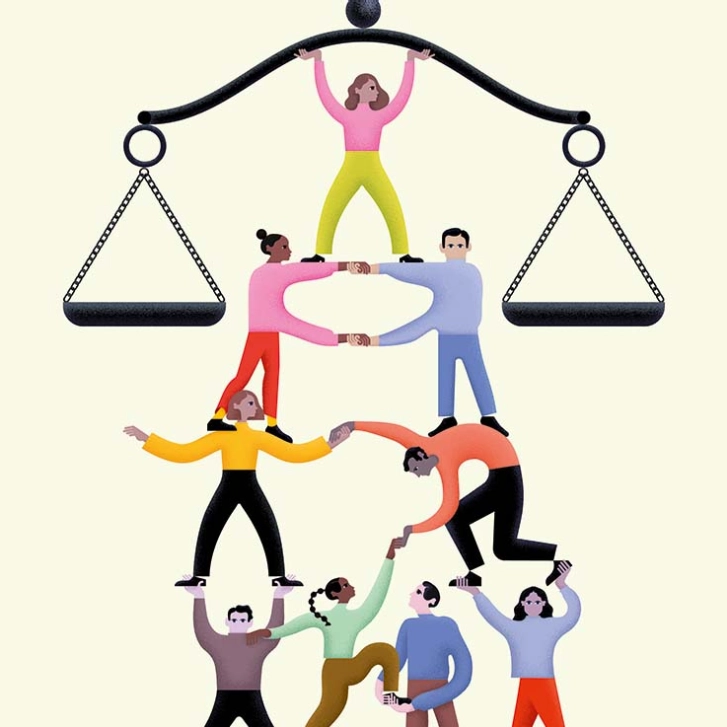
A decade of applying the collective impact approach to address social problems has taught us that equity is central to the work.

How do innovations move from the edges to the core of what an organization does? For maximum impact, innovations must cease to be innovative and become institutionalized and normalized.

Impact evaluations are an important tool for learning about effective solutions to social problems, but they are a good investment only in the right circumstances.

Scaling requires not only fidelity to core processes and programs, but also constant adjustments to local needs and resources.