
Using the Internet to Scale
A look at how KaBOOM! has used the Internet to disseminate its model, empowering local communities to self-organize to build their own playgrounds.
A look at how KaBOOM! has used the Internet to disseminate its model, empowering local communities to self-organize to build their own playgrounds.

Scaling requires not only fidelity to core processes and programs, but also constant adjustments to local needs and resources.
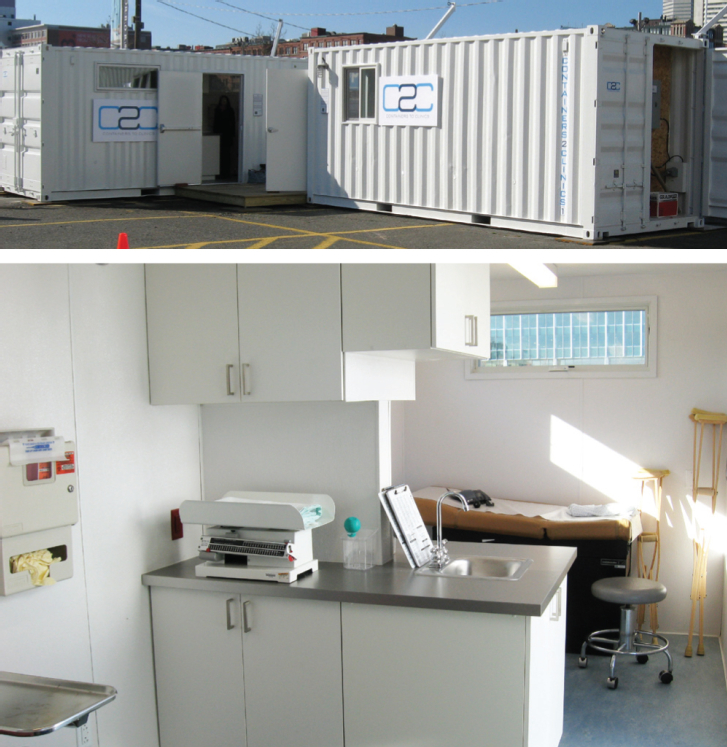
Used shipping containers become health care clinics in the developing world.
Even if another model isn’t quite right, the idea of model-sharing—teaching and learning lessons from others—can be enlightening.

Akshaya Patra USA is an innovative social enterprise, a food program that is changing the face of education in India. In this audio interview with Stanford Center for Social Innovation correspondent Sheela Sethuraman, President and CEO Madhu Sridhar talks about how the enterprise grew from a small organization to a massive, well-run entity. She discusses its noble goals and its strategically oriented approaches to meeting high-volume demand at low cost.


Since 1970, more than 200,000 nonprofits have opened in the U.S., but only 144 have reached $50 million in annual revenue. They got big by doing two things: They raised the bulk of their money from a single type of funder. And just as importantly, these nonprofits created professional organizations that were tailored to the needs of their primary funding sources.

A decade of applying the collective impact approach to address social problems has taught us that equity is central to the work.

How do innovations move from the edges to the core of what an organization does? For maximum impact, innovations must cease to be innovative and become institutionalized and normalized.

Impact evaluations are an important tool for learning about effective solutions to social problems, but they are a good investment only in the right circumstances.
Scaling requires not only fidelity to core processes and programs, but also constant adjustments to local needs and resources.