


sponsored
From Promising Model to Major Investment
The head of Blue Meridian Partners and the cofounder of Upstream USA discuss their partnership in using a big bet to transform women’s healthcare nationwide.
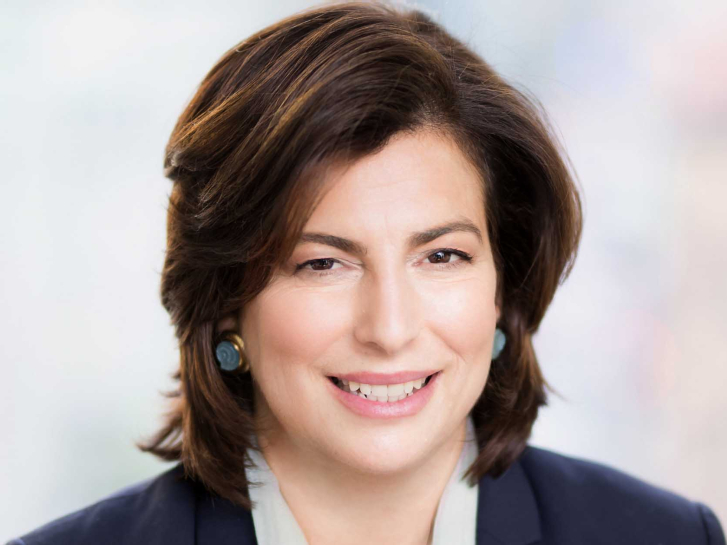
The head of Blue Meridian Partners and the cofounder of Upstream USA discuss their partnership in using a big bet to transform women’s healthcare nationwide.
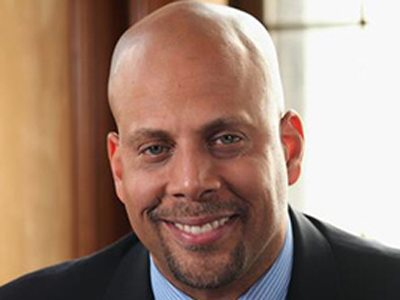
Five insights about social mobility and the role of big bet philanthropy.
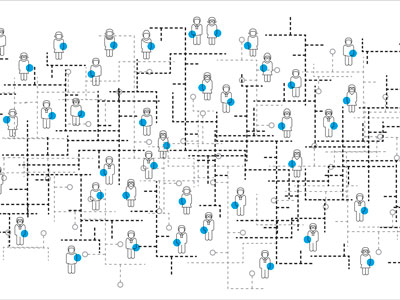
It is imperative to include customers in solving problems, but jumping straight into human-centered design misses the rich and insightful data required to shift the system and achieve better results.
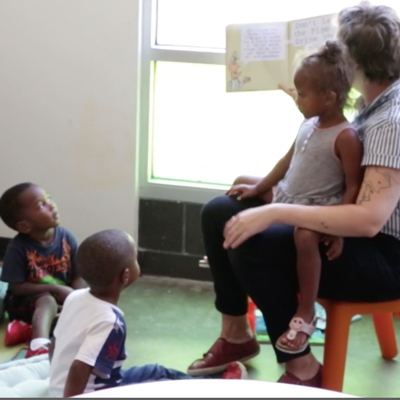
The Arkansas nonprofit Our House, which provides shelter to homeless families and individuals working to regain their economic independence, has built a culture of continuous feedback with surveys, community councils, and “happy or not” voting terminals. Part of a series produced for SSIR with the support of the Hewlett Foundation.

New experiments with civic engagement, outreach, and philanthropic models in Philadelphia offer inspiration for leaders across the social sector.


Funders are calling for more program evaluation, but nonprofits are often collecting dubious data, at great cost to themselves and ultimately to the people they serve.

Large-scale social change requires broad cross-sector coordination, not the isolated intervention of individual organizations.
For NGOs, impact comes in different forms and to track the cycles of social change work, we must think across the tangibility and the speed of emergence of change.

With an understanding of these 10 funding models, nonprofit leaders can use the for-profit world's valuable practice of engaging in succinct and clear conversations about long-term financial strategy.

Social entrepreneurship is attracting growing amounts of talent, money, and attention, but along with its increasing popularity has come less certainty about what exactly a social entrepreneur is and does.