Can We Sustain It?
How to transform the fervor of political resistance into a new era of civic engagement.
How to transform the fervor of political resistance into a new era of civic engagement.

What can social sector organizations learn from large companies about using data to maximize impact?
Three considerations for nonprofits looking to work together to raise funds.
Providing teachers with gender sensitivity training is a first step toward addressing gender inequality in STEM. But it’s not the last.
How companies in industries such as pharmaceuticals are starting to learn that by giving more data away, they actually get more back.


Funders are calling for more program evaluation, but nonprofits are often collecting dubious data, at great cost to themselves and ultimately to the people they serve.

Large-scale social change requires broad cross-sector coordination, not the isolated intervention of individual organizations.
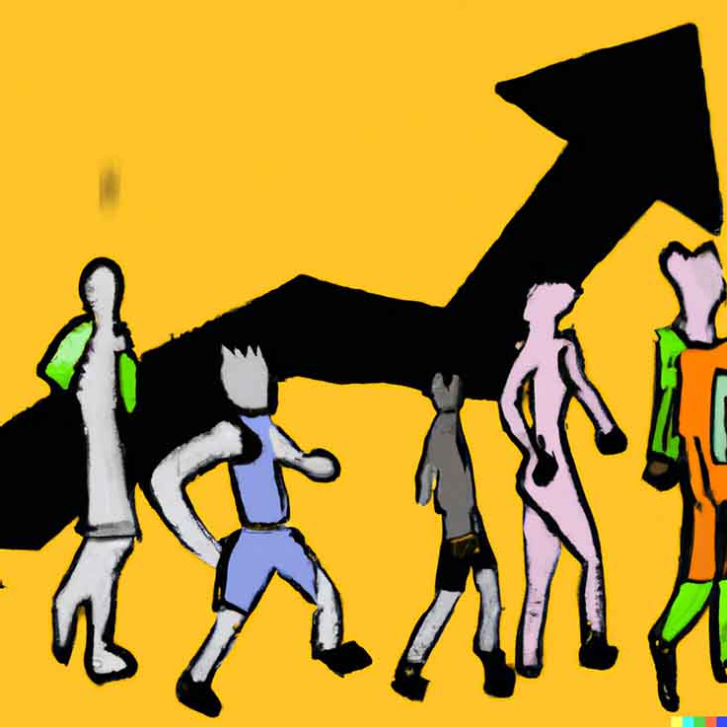
For NGOs, impact comes in different forms and to track the cycles of social change work, we must think across the tangibility and the speed of emergence of change.

With an understanding of these 10 funding models, nonprofit leaders can use the for-profit world's valuable practice of engaging in succinct and clear conversations about long-term financial strategy.

Social entrepreneurship is attracting growing amounts of talent, money, and attention, but along with its increasing popularity has come less certainty about what exactly a social entrepreneur is and does.