
The Unfinished Social Entrepreneur
In accepting responsibility for social entrepreneurship, you and I accept the inescapable tension between two very legitimate impulses: the impulse to respect a community, and the impulse to change it.
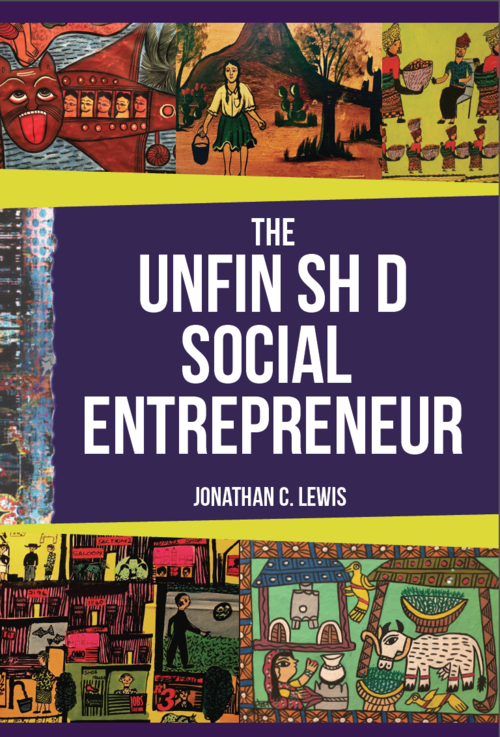
In accepting responsibility for social entrepreneurship, you and I accept the inescapable tension between two very legitimate impulses: the impulse to respect a community, and the impulse to change it.

Andrew Means of Uptake and Stanford's Lucy Bernholz talk about how nonprofits and foundations can take advantage of digital data and infrastructure in an ethical way.
Four guidelines for making internships valuable to both your organization and the next generation of social change leaders.

Many valuable datasets remain locked away or siloed across different organizations and sectors. This panel from our February data conference looks how we can collaborate better on data projects.

SSIR managing editor Eric Nee moderates a panel organized by the Indian strategic philanthropy foundation Dasra on supporting good governance in India.


Funders are calling for more program evaluation, but nonprofits are often collecting dubious data, at great cost to themselves and ultimately to the people they serve.

Large-scale social change requires broad cross-sector coordination, not the isolated intervention of individual organizations.

For NGOs, impact comes in different forms and to track the cycles of social change work, we must think across the tangibility and the speed of emergence of change.

With an understanding of these 10 funding models, nonprofit leaders can use the for-profit world's valuable practice of engaging in succinct and clear conversations about long-term financial strategy.

Social entrepreneurship is attracting growing amounts of talent, money, and attention, but along with its increasing popularity has come less certainty about what exactly a social entrepreneur is and does.