Whose Story Are We Telling?
Andrew Means, cofounder of The Impact Lab, talks about how to get storytelling and data to work together, rather than against each other.
Andrew Means, cofounder of The Impact Lab, talks about how to get storytelling and data to work together, rather than against each other.
Attracting transformational philanthropy and leveraging volunteers to scale are just two lessons nonprofits can learn from looking to organizations beyond those they traditionally identify with.
Lessons from the voter turnout series, a collaboration between the Hewlett Foundation and SSIR.

Nancy Lublin describes how working with data has helped DoSomething.org learn and grow.
How the California Heath Care Foundation sparked statewide change by “showing” rather than “telling” its data, making use of existing partnerships, and funding what works.


Funders are calling for more program evaluation, but nonprofits are often collecting dubious data, at great cost to themselves and ultimately to the people they serve.

Large-scale social change requires broad cross-sector coordination, not the isolated intervention of individual organizations.
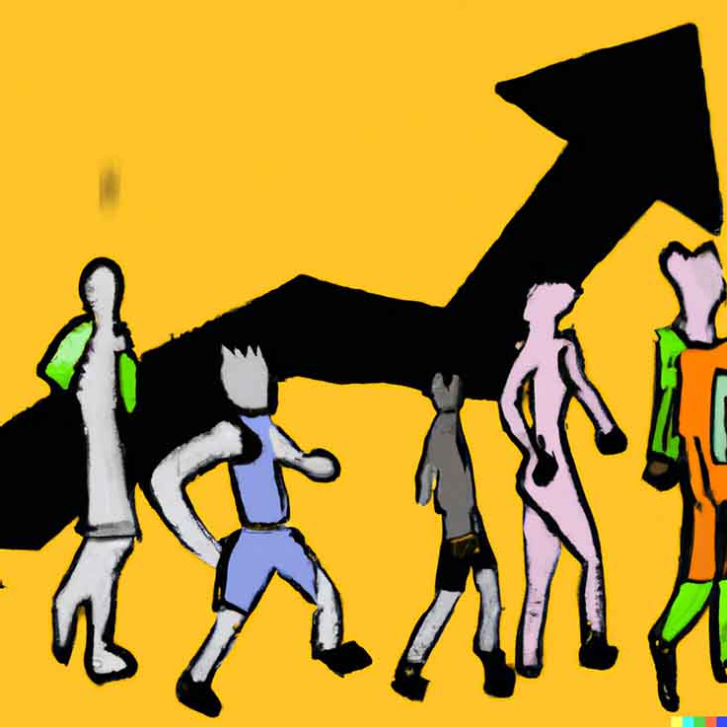
For NGOs, impact comes in different forms and to track the cycles of social change work, we must think across the tangibility and the speed of emergence of change.

With an understanding of these 10 funding models, nonprofit leaders can use the for-profit world's valuable practice of engaging in succinct and clear conversations about long-term financial strategy.

Social entrepreneurship is attracting growing amounts of talent, money, and attention, but along with its increasing popularity has come less certainty about what exactly a social entrepreneur is and does.