Looking Good by Doing Good
Four ways corporate philanthropists can do better by their beneficiaries—and themselves.
Four ways corporate philanthropists can do better by their beneficiaries—and themselves.
How the Palm Center used long-term, strategic communications to break down a widely held belief and overturn a discriminatory Pentagon policy.
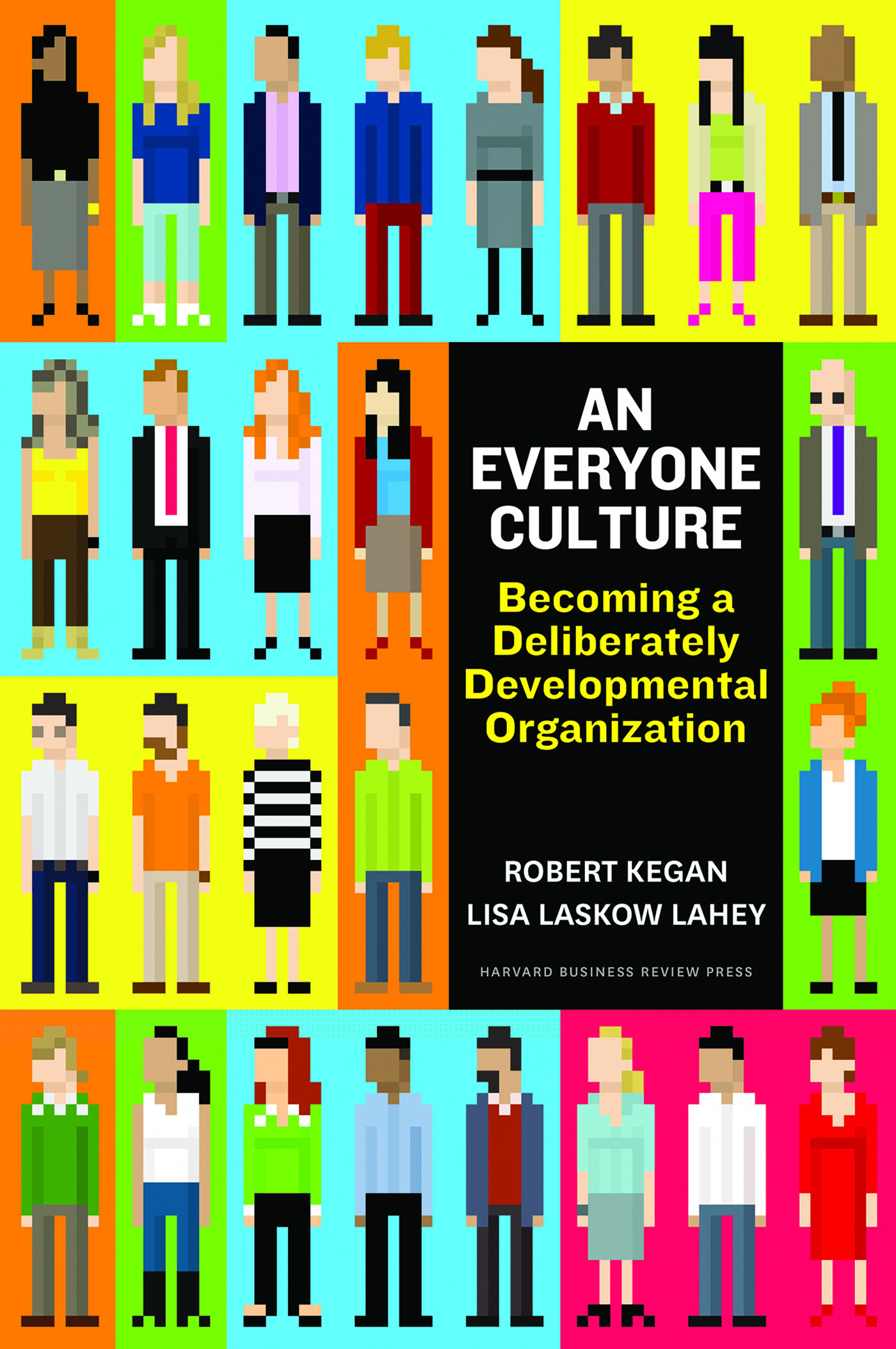
An Everyone Culture argues that organizations do best when they build an environment that encourages constant personal development among their employees.
Six ways to do more with less.

Building on a quarter century of get-out-the-vote efforts, MTV’s 2016 “Elect This” campaign will encourage young people to vote in support of the polices that inspire them, rather than the political system that doesn’t.


Funders are calling for more program evaluation, but nonprofits are often collecting dubious data, at great cost to themselves and ultimately to the people they serve.

Large-scale social change requires broad cross-sector coordination, not the isolated intervention of individual organizations.
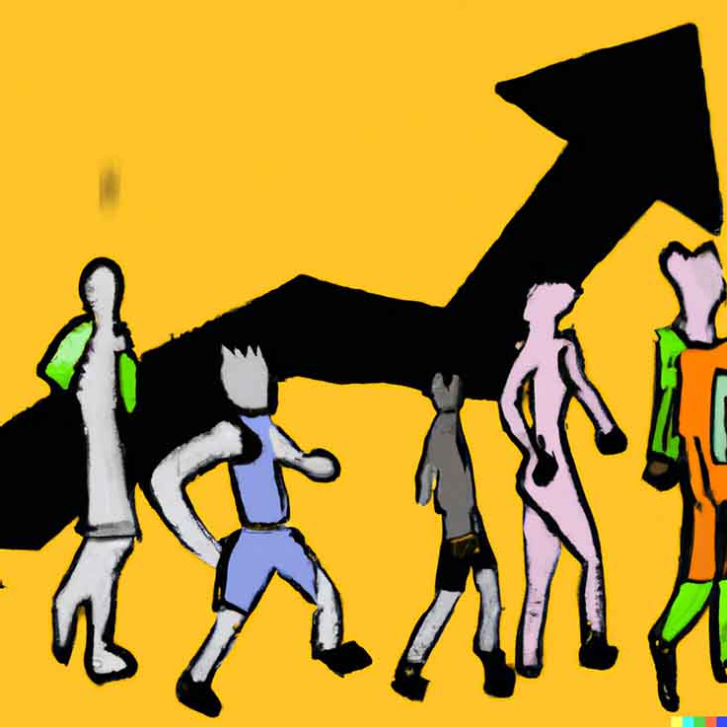
For NGOs, impact comes in different forms and to track the cycles of social change work, we must think across the tangibility and the speed of emergence of change.

With an understanding of these 10 funding models, nonprofit leaders can use the for-profit world's valuable practice of engaging in succinct and clear conversations about long-term financial strategy.

Social entrepreneurship is attracting growing amounts of talent, money, and attention, but along with its increasing popularity has come less certainty about what exactly a social entrepreneur is and does.