


Only in New York?
City officials under Mayor Michael Bloomberg made advances in public health that were important but hardly unique.

City officials under Mayor Michael Bloomberg made advances in public health that were important but hardly unique.
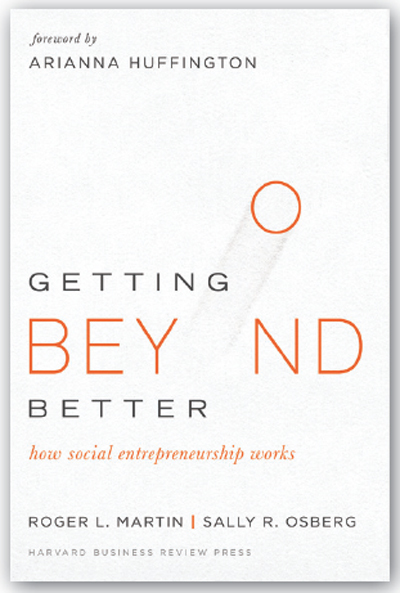
Leaders from the Skoll Foundation have developed a useful yet flawed outlook on pursuing social entrepreneurship.

Using a social return on investment framework, organizations can estimate the future impact, cost, and scale of programs before they begin, and allocate resources for greater impact.
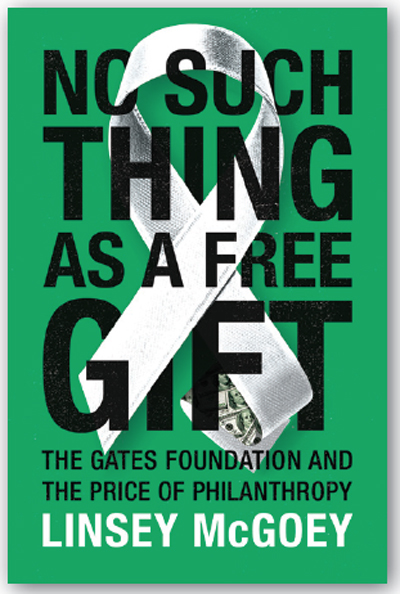
A critique of the Gates Foundation doubles as a critique of the “philanthrocapitalism” model in general.
Data is a powerful tool for driving large-scale impact, but using it effectively and responsibly in government and beyond requires intentionality.


Funders are calling for more program evaluation, but nonprofits are often collecting dubious data, at great cost to themselves and ultimately to the people they serve.

Large-scale social change requires broad cross-sector coordination, not the isolated intervention of individual organizations.

For NGOs, impact comes in different forms and to track the cycles of social change work, we must think across the tangibility and the speed of emergence of change.

With an understanding of these 10 funding models, nonprofit leaders can use the for-profit world's valuable practice of engaging in succinct and clear conversations about long-term financial strategy.

Social entrepreneurship is attracting growing amounts of talent, money, and attention, but along with its increasing popularity has come less certainty about what exactly a social entrepreneur is and does.