


Helping NGOs and Funders Make the ‘Big Shift’ to Working With Government
The nonprofit sector and its philanthropic supporters still too often overlook the most effective pathway to exponential impact.

The nonprofit sector and its philanthropic supporters still too often overlook the most effective pathway to exponential impact.
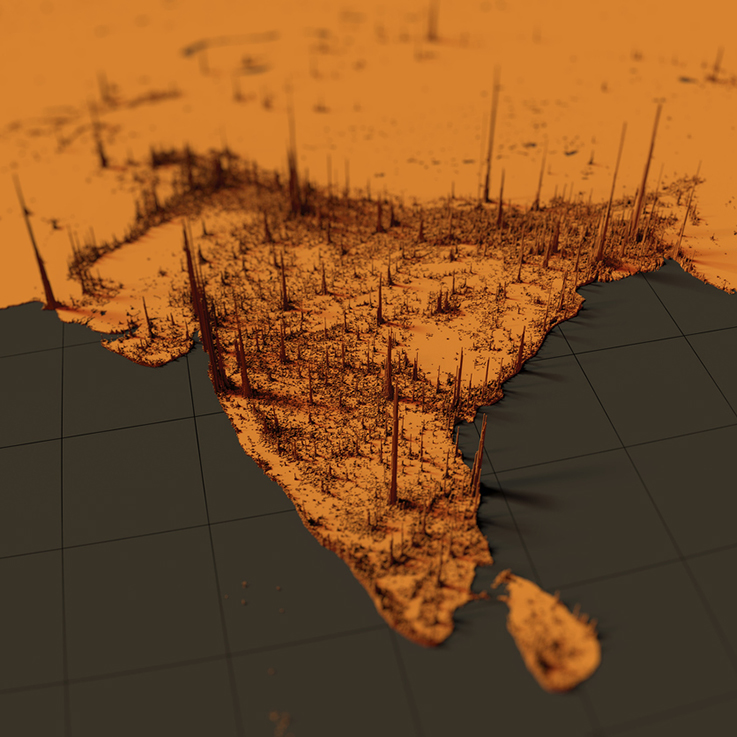
Data-driven decision-making has become central to education in India. While data provides invaluable insights, using it to shape policy is not without its risks.

How collaboratives can accelerate government initiatives to eliminate preventable global health problems, as seen in the case of Reaching the Last Mile Fund’s impact on a neglected tropical disease and the Beginnings Fund’s aim to increase maternal-newborn survival.

How the Bama Works Fund mobilized private, public, and philanthropic capital to transform public housing

In a difficult time when many nonprofits will be forced to close, nonprofit leaders and funders must act to preserve data and other intangible assets.


Funders are calling for more program evaluation, but nonprofits are often collecting dubious data, at great cost to themselves and ultimately to the people they serve.

Large-scale social change requires broad cross-sector coordination, not the isolated intervention of individual organizations.

For NGOs, impact comes in different forms and to track the cycles of social change work, we must think across the tangibility and the speed of emergence of change.

With an understanding of these 10 funding models, nonprofit leaders can use the for-profit world's valuable practice of engaging in succinct and clear conversations about long-term financial strategy.

Social entrepreneurship is attracting growing amounts of talent, money, and attention, but along with its increasing popularity has come less certainty about what exactly a social entrepreneur is and does.