


Will Consumers Pay for Sustainability?
An excerpt from Every Purchase Matters on virtuous premiums
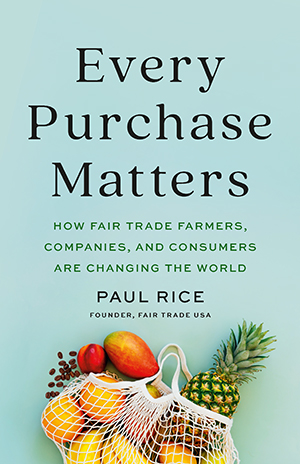
An excerpt from Every Purchase Matters on virtuous premiums

How and why funders must move beyond traditional giving

An ecosystem approach to investing in and supporting mutualist enterprises—from the ground up.

An interview with two collaborative fund leaders about what differentiates Africa’s collaborative funding movement from other regions, and what other funders can learn from their focus on funding organizations close to the communities they are trying to help.
What do nonprofit advocacy efforts look like, and how can donors support advocacy work on social issues they care about? Kenneth G. Hodder, former national commander of the Salvation Army, and Debby Bielak, a partner at the Bridgespan Group, join DAFgiving360’s Fred Kaynor and SSIR editor Barbara Wheeler-Bride to discuss how elections impact charitable giving and how nonprofits can tap into the energy of the political environment to fund their mission. A sponsored podcast developed with the support of DAFgiving360


Funders are calling for more program evaluation, but nonprofits are often collecting dubious data, at great cost to themselves and ultimately to the people they serve.

Large-scale social change requires broad cross-sector coordination, not the isolated intervention of individual organizations.

For NGOs, impact comes in different forms and to track the cycles of social change work, we must think across the tangibility and the speed of emergence of change.

With an understanding of these 10 funding models, nonprofit leaders can use the for-profit world's valuable practice of engaging in succinct and clear conversations about long-term financial strategy.

Social entrepreneurship is attracting growing amounts of talent, money, and attention, but along with its increasing popularity has come less certainty about what exactly a social entrepreneur is and does.