


Who Benefits From Benefit Corporations?
In Becoming a Public Benefit Corporation, Michael B. Dorff contributes a well-balanced examination of the pros and cons of the benefit corporation.
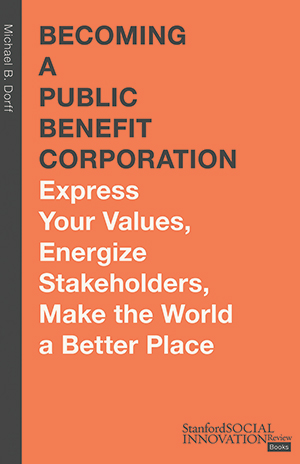
In Becoming a Public Benefit Corporation, Michael B. Dorff contributes a well-balanced examination of the pros and cons of the benefit corporation.

A collection of standout pieces published online about problem-solving, telling better stories, advancing reparations, and the growing impact of AI in the social sector.

The nonprofit Nā Kama Kai commemorates those who perished and suffered from the Maui wildfires.

“Explainable AI” can bridge the gap between AI outputs and human expertise, but a balance needs to be struck between explainability and performance.

US government agencies struggle with outdated systems, increased demand, and floundering attempts at modernization. Pennsylvania’s leaders aim to change that.


Funders are calling for more program evaluation, but nonprofits are often collecting dubious data, at great cost to themselves and ultimately to the people they serve.

Large-scale social change requires broad cross-sector coordination, not the isolated intervention of individual organizations.

For NGOs, impact comes in different forms and to track the cycles of social change work, we must think across the tangibility and the speed of emergence of change.

With an understanding of these 10 funding models, nonprofit leaders can use the for-profit world's valuable practice of engaging in succinct and clear conversations about long-term financial strategy.

Social entrepreneurship is attracting growing amounts of talent, money, and attention, but along with its increasing popularity has come less certainty about what exactly a social entrepreneur is and does.