


Securing Trust in People and Place
Nonprofits seeking to improve communities face the hard work of building trust. Success requires prioritizing the people you work with and proceeding patiently.

Nonprofits seeking to improve communities face the hard work of building trust. Success requires prioritizing the people you work with and proceeding patiently.
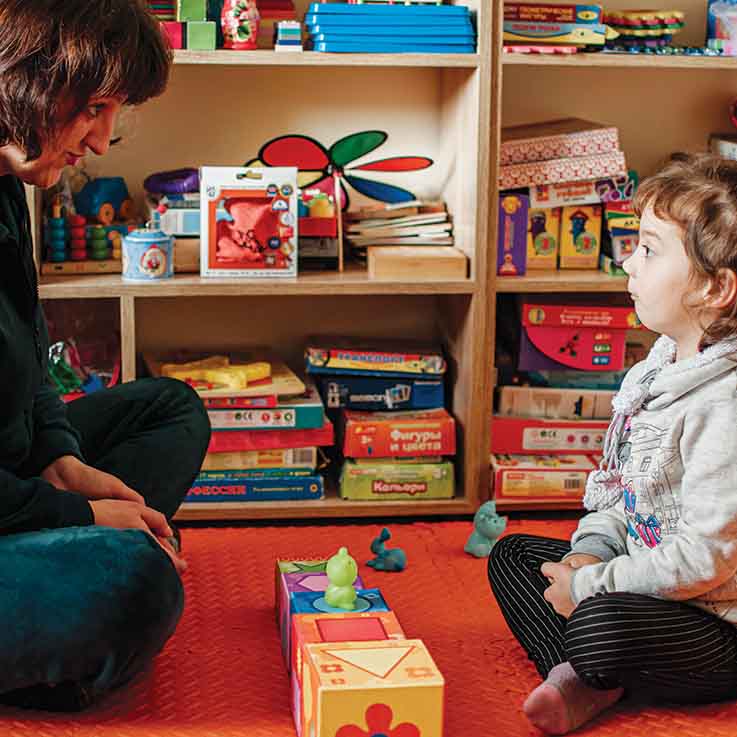
OutcomesX aspires to level the playing field for nonprofits seeking funding.

Chariot aims to simplify donor-advised-fund giving online to a 15-second process.
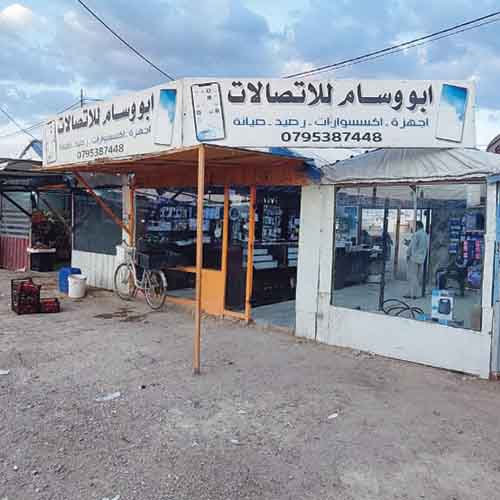
The UN refugee agency is implementing a mobile-wallet system to provide cash assistance to refugees in Jordan.
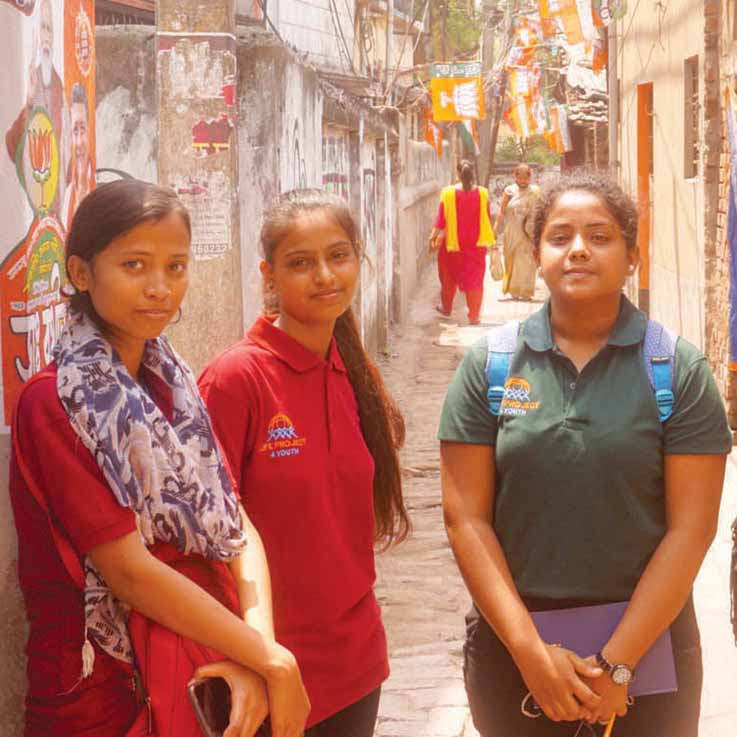
Life Project 4 Youth Alliance promotes the personal development and professional advancement of impoverished youth.


Funders are calling for more program evaluation, but nonprofits are often collecting dubious data, at great cost to themselves and ultimately to the people they serve.

Large-scale social change requires broad cross-sector coordination, not the isolated intervention of individual organizations.
For NGOs, impact comes in different forms and to track the cycles of social change work, we must think across the tangibility and the speed of emergence of change.

With an understanding of these 10 funding models, nonprofit leaders can use the for-profit world's valuable practice of engaging in succinct and clear conversations about long-term financial strategy.

Social entrepreneurship is attracting growing amounts of talent, money, and attention, but along with its increasing popularity has come less certainty about what exactly a social entrepreneur is and does.