


Plotting the Path to Carbon Neutrality
The German energy think tank Agora Energiewende is developing energy- and climate-policy proposals toward decarbonization.

The German energy think tank Agora Energiewende is developing energy- and climate-policy proposals toward decarbonization.

The Citizens Foundation is transforming how education is delivered in Pakistan, with remarkable outcomes for the country’s underprivileged children.

Charities can find better ways to communicate their spending priorities than a myopic focus on administrative costs displayed in simplistic pie charts.

Employees are more likely to use their employers to engage in activism when the potential for garnering attention is high and the risk low.
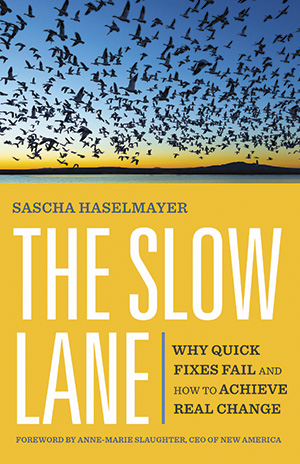
Social entrepreneur Sascha Haselmayer argues for slowness as the most effective method for creating lasting social change.


Funders are calling for more program evaluation, but nonprofits are often collecting dubious data, at great cost to themselves and ultimately to the people they serve.

Large-scale social change requires broad cross-sector coordination, not the isolated intervention of individual organizations.
For NGOs, impact comes in different forms and to track the cycles of social change work, we must think across the tangibility and the speed of emergence of change.

With an understanding of these 10 funding models, nonprofit leaders can use the for-profit world's valuable practice of engaging in succinct and clear conversations about long-term financial strategy.

Social entrepreneurship is attracting growing amounts of talent, money, and attention, but along with its increasing popularity has come less certainty about what exactly a social entrepreneur is and does.