


Making Compliance Work for Philanthropy
Funders need to identify, embrace, and ultimately demystify compliance, reclaiming it as a tool that enables, rather than impedes, philanthropy’s essential purpose.

Funders need to identify, embrace, and ultimately demystify compliance, reclaiming it as a tool that enables, rather than impedes, philanthropy’s essential purpose.

Why the ghost of Paul Farmer wants you scaring the horses at Skoll
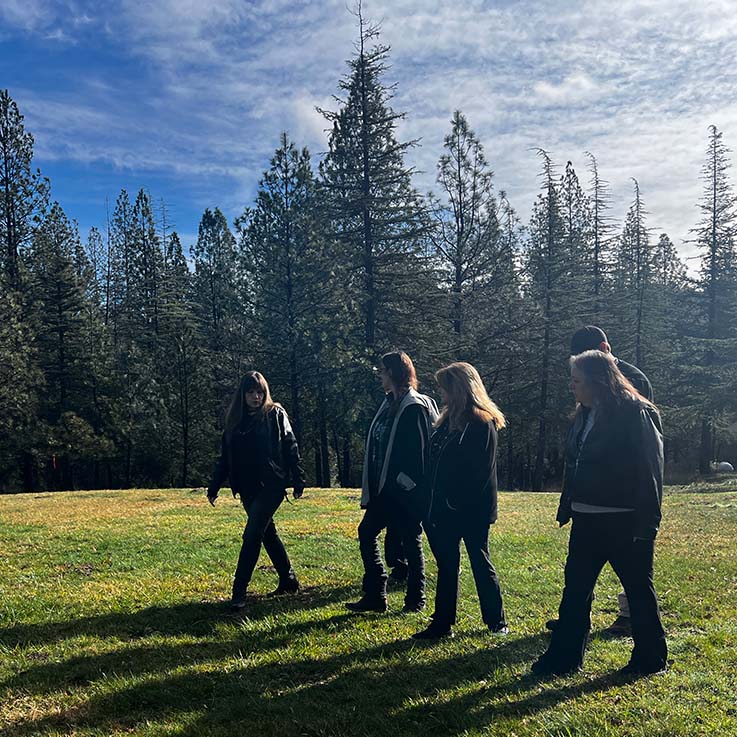
How funders, sellers, and intermediaries can better support Indigenous “land back” initiatives.

In a world that no longer behaves like a scalable system, success must be something other than growth.

How the urban revitalization project Localize Gunsan breathed new life into a declining area by applying a pacer model that supports young entrepreneurs for an extended time.


Funders are calling for more program evaluation, but nonprofits are often collecting dubious data, at great cost to themselves and ultimately to the people they serve.

Large-scale social change requires broad cross-sector coordination, not the isolated intervention of individual organizations.
For NGOs, impact comes in different forms and to track the cycles of social change work, we must think across the tangibility and the speed of emergence of change.

With an understanding of these 10 funding models, nonprofit leaders can use the for-profit world's valuable practice of engaging in succinct and clear conversations about long-term financial strategy.

Social entrepreneurship is attracting growing amounts of talent, money, and attention, but along with its increasing popularity has come less certainty about what exactly a social entrepreneur is and does.