


sponsored
How Radical Trust Creates Long-Term Resilience
A founder and director finds there is no better way to demonstrate confidence in people, systems, and organizations than to physically leave for a year at a time, every five years.

A founder and director finds there is no better way to demonstrate confidence in people, systems, and organizations than to physically leave for a year at a time, every five years.

In times of extreme political polarization and governmental dysfunction, “leverage-first” organizations create impact by working within existing systems, however imperfect they may be.
An excerpt from Radical Curiosity on how awe can be a framework for rethinking the social practice of innovation.
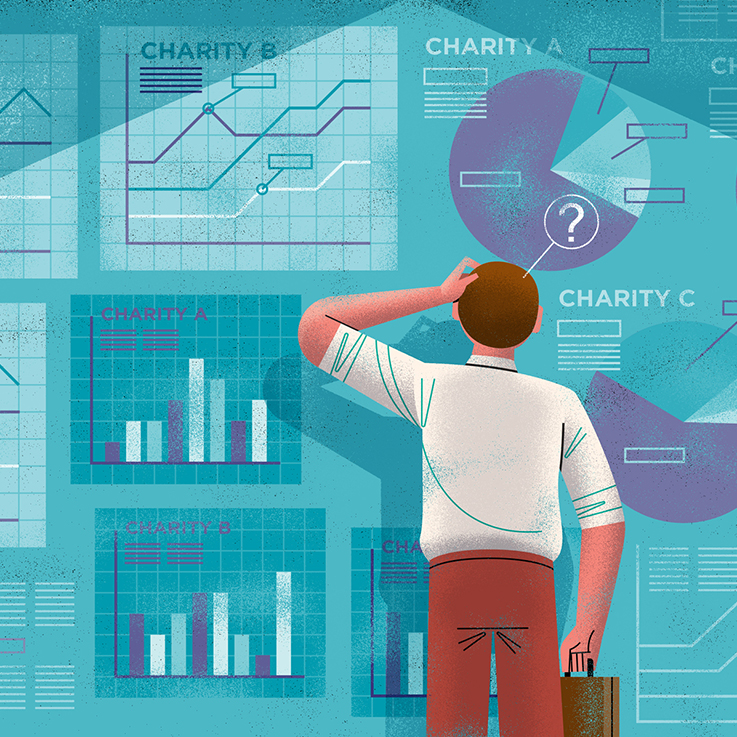
A recent study shows that comparable, easily digestible metrics shifted donations from charities with only a good pitch to those with demonstrable results.

Companies and nonprofits need to be more realistic and empathetic that consumers’ decisions are not purely driven by cost.


Funders are calling for more program evaluation, but nonprofits are often collecting dubious data, at great cost to themselves and ultimately to the people they serve.

Large-scale social change requires broad cross-sector coordination, not the isolated intervention of individual organizations.

For NGOs, impact comes in different forms and to track the cycles of social change work, we must think across the tangibility and the speed of emergence of change.

With an understanding of these 10 funding models, nonprofit leaders can use the for-profit world's valuable practice of engaging in succinct and clear conversations about long-term financial strategy.

Social entrepreneurship is attracting growing amounts of talent, money, and attention, but along with its increasing popularity has come less certainty about what exactly a social entrepreneur is and does.