


When Men Ally With Women
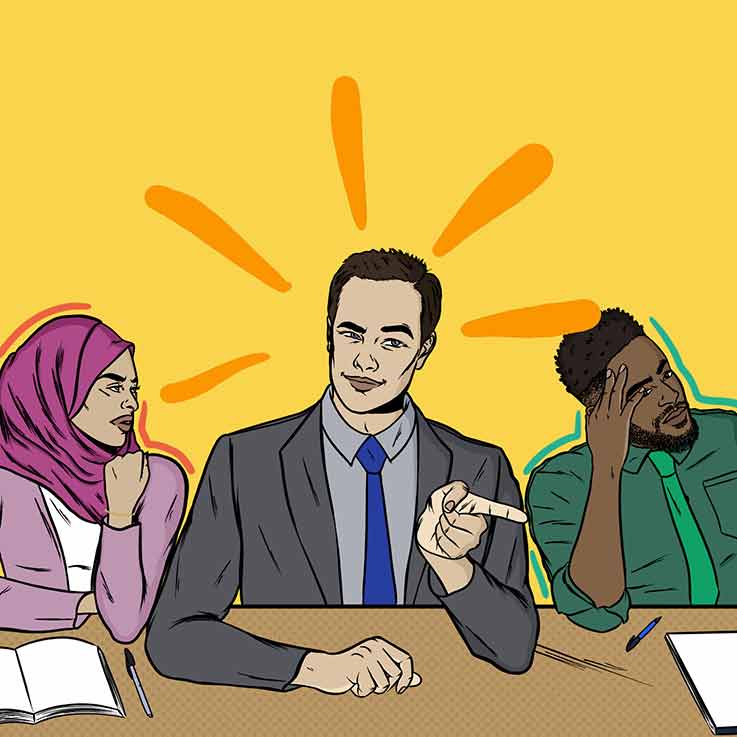
Misperception of men’s private beliefs about gender bias can undermine their willingness to speak up against it.

Misperception of men’s private beliefs about gender bias can undermine their willingness to speak up against it.

Activists use moral analogies with rogue industries and states to stigmatize fossil fuels.
Links to all of SSIR's online-only articles published the past three months, with editors' notes about standout pieces on racism, the social economy, grassroots movements, global development, and the climate crisis.

An excerpt from Prisms of the People on how collective action generates real, durable power.

Cash transfer programs often struggle to reach those most in need. An investigation of four programs across Brazil, Ethiopia, Jordan, and Palestine revealed five features that lead to success.


Funders are calling for more program evaluation, but nonprofits are often collecting dubious data, at great cost to themselves and ultimately to the people they serve.

Large-scale social change requires broad cross-sector coordination, not the isolated intervention of individual organizations.
For NGOs, impact comes in different forms and to track the cycles of social change work, we must think across the tangibility and the speed of emergence of change.

With an understanding of these 10 funding models, nonprofit leaders can use the for-profit world's valuable practice of engaging in succinct and clear conversations about long-term financial strategy.

Social entrepreneurship is attracting growing amounts of talent, money, and attention, but along with its increasing popularity has come less certainty about what exactly a social entrepreneur is and does.