


10 Lessons From Health Care on Quality Improvement
Pitfalls and promising practices drawn from experimentation with quality-improvement methods and performance management in health care.
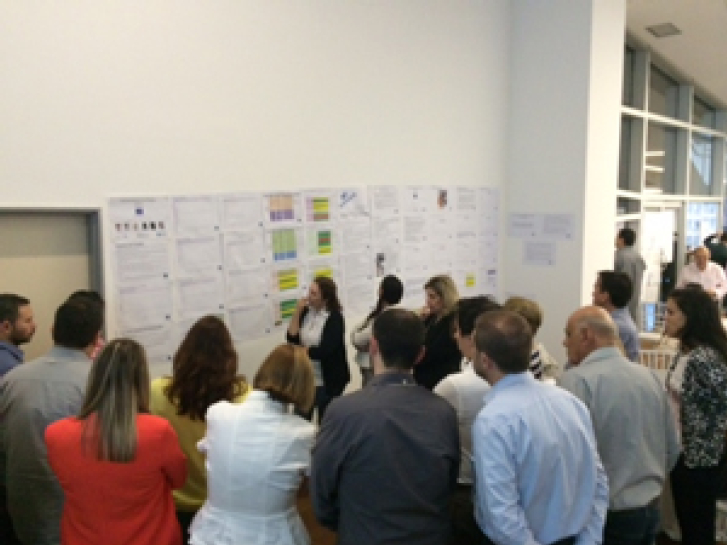
Pitfalls and promising practices drawn from experimentation with quality-improvement methods and performance management in health care.

Three recommendations on how impact investors can foster more sustainable changes in Sub-Saharan Africa and its tech sectors by focusing less on "sexy" individual startups and more on universities, hubs, and research and development institutions.

With a study-and-work approach, we can create more opportunities for more students beyond high school. A Viewpoint from the Fall 2019 issue.

Journalism corps program Report for America pairs working journalists with resource-strapped local news organizations for a yearlong employment contract. A What's Next article from the Fall 2019 issue.

The two-person company Solmove has a plan to pave Germany’s roads with small, durable, slip-resistant solar panels. A What's Next article from the Fall 2019 issue.


Large-scale social change requires broad cross-sector coordination, not the isolated intervention of individual organizations.

With an understanding of these 10 funding models, nonprofit leaders can use the for-profit world's valuable practice of engaging in succinct and clear conversations about long-term financial strategy.

Professionalism has become coded language for white favoritism in workplace practices that more often than not leave behind people of color. This is the fourth of 10 articles in a special series about diversity, equity, and inclusion.

By working closely with the clients and consumers, design thinking allows high-impact solutions to social problems to bubble up from below rather than being imposed from the top.

Five principles based in social science that will help organizations connect their work to what people care most about.