

The Future of Transnational NGO Advocacy
Three perspectives on the future of transnational advocacy, and how organizations can adapt to the challenges of 21st-century campaigning.
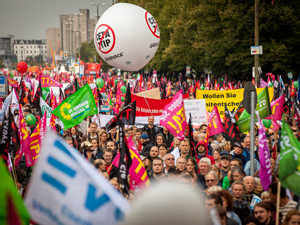
Three perspectives on the future of transnational advocacy, and how organizations can adapt to the challenges of 21st-century campaigning.
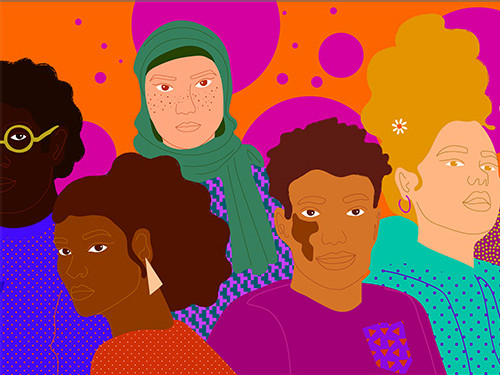
This series challenges current DEI ideas and practices with fresh perspectives on how to transform equity-driven work through an explicit focus on race and combating racism.

Three insights offer organizations opportunities to cultivate durable solutions to the underlying causes of racial inequity. This is the first of 10 articles in a special series about diversity, equity, and inclusion.

When fewer Americans than ever believe government is meeting their needs, a new approach that elevates the voices of citizens is long overdue. User-centered design holds great promise in a well-defined set of circumstances.
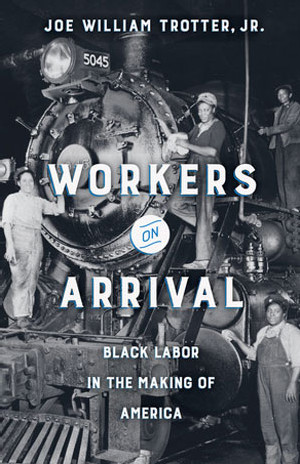
An excerpt from Workers on Arrival: Black Labor in the Making of America reflects on the meaning of centuries of black labor for the future of America’s economy and democracy.


Large-scale social change requires broad cross-sector coordination, not the isolated intervention of individual organizations.

With an understanding of these 10 funding models, nonprofit leaders can use the for-profit world's valuable practice of engaging in succinct and clear conversations about long-term financial strategy.

Professionalism has become coded language for white favoritism in workplace practices that more often than not leave behind people of color. This is the fourth of 10 articles in a special series about diversity, equity, and inclusion.

By working closely with the clients and consumers, design thinking allows high-impact solutions to social problems to bubble up from below rather than being imposed from the top.

Five principles based in social science that will help organizations connect their work to what people care most about.