


A New Plastic Alternative
Solubag’s founders want to emulate the feel of single-use plastic bags while leaving no trace.
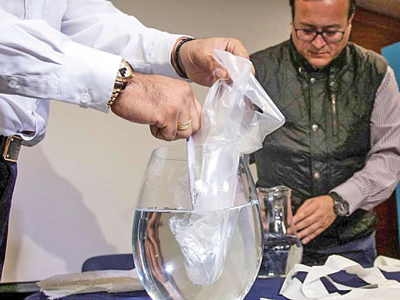
Solubag’s founders want to emulate the feel of single-use plastic bags while leaving no trace.
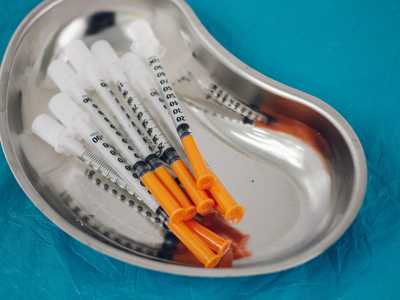
Project Solidify, a collaborative two-year-long effort started by the European Forum for Urban Security, aims to assist in the implementation and sustainability of supervised injection sites throughout Europe.
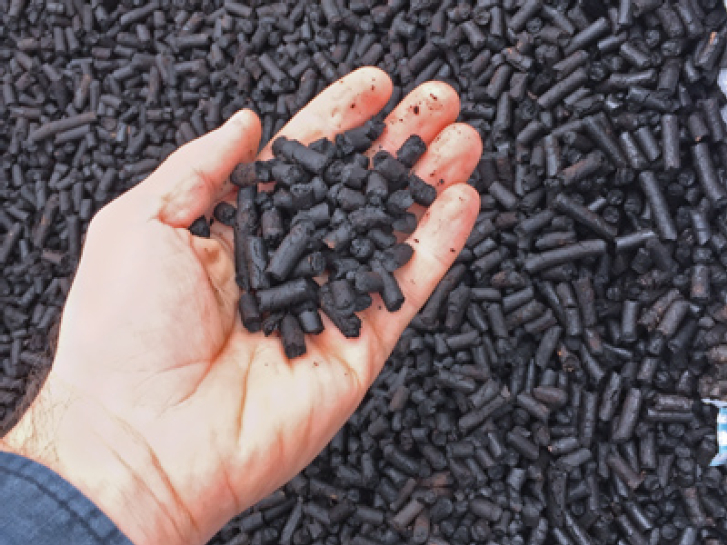
Supported by the nonprofit US Endowment for Forestry & Communities, Restoration Fuels will turn wood scraps into a substitute for coal, potentially providing energy, jobs, and even environmental benefits.

Proactiva Open Arms’ greatest threat to its rescue mission may not be the rough Mediterranean seas but European governments fearful of migrants seeking refuge in their countries.
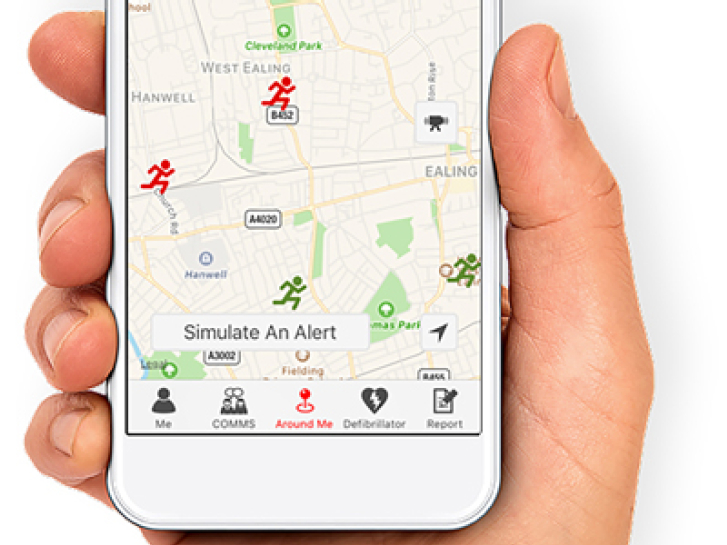
The digital app GoodSAM transforms emergency medical care through its crowdsourcing network of first responders.


Large-scale social change requires broad cross-sector coordination, not the isolated intervention of individual organizations.

With an understanding of these 10 funding models, nonprofit leaders can use the for-profit world's valuable practice of engaging in succinct and clear conversations about long-term financial strategy.

Professionalism has become coded language for white favoritism in workplace practices that more often than not leave behind people of color. This is the fourth of 10 articles in a special series about diversity, equity, and inclusion.

By working closely with the clients and consumers, design thinking allows high-impact solutions to social problems to bubble up from below rather than being imposed from the top.

Five principles based in social science that will help organizations connect their work to what people care most about.