


Making Economic Sense of Religion
Sriya Iyer reveals how faith has driven India’s increasingly powerful economy.
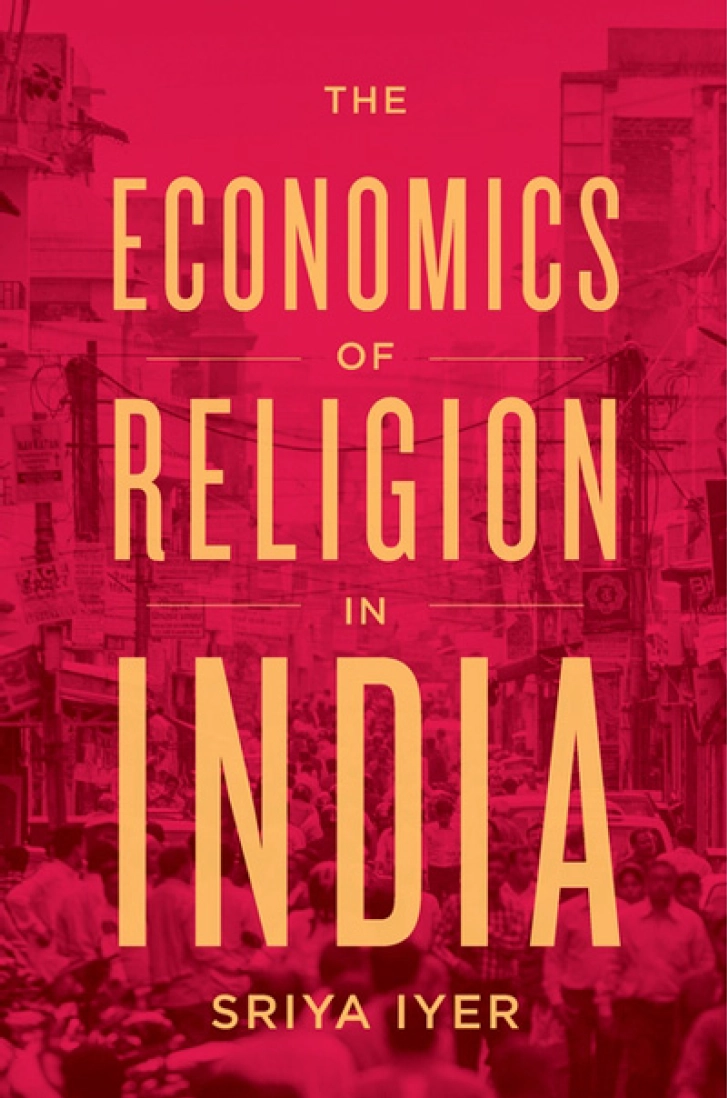
Sriya Iyer reveals how faith has driven India’s increasingly powerful economy.

Puerto Ricans put their foot down against the vestiges of colonialism as climate change hits.

Cary McClelland's new book, Silicon City, documents the transformation of San Francisco in the digital age.

No single organization or individual can pull off an effective storytelling campaign alone. Reaping the benefits of storytelling requires that we build better partnerships between three important players.
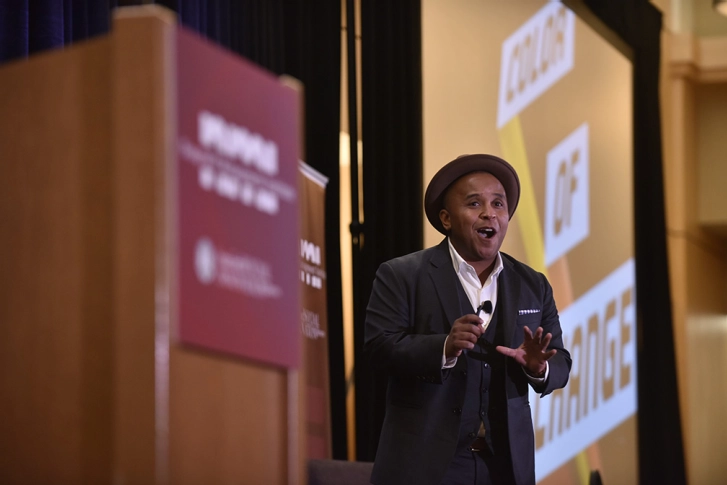
Rashad Robinson, president of Color of Change, speaks about the nature of political and cultural power and the importance of continually assessing the nonprofit sector's efforts to bring about change.


Large-scale social change requires broad cross-sector coordination, not the isolated intervention of individual organizations.

With an understanding of these 10 funding models, nonprofit leaders can use the for-profit world's valuable practice of engaging in succinct and clear conversations about long-term financial strategy.

Professionalism has become coded language for white favoritism in workplace practices that more often than not leave behind people of color. This is the fourth of 10 articles in a special series about diversity, equity, and inclusion.

By working closely with the clients and consumers, design thinking allows high-impact solutions to social problems to bubble up from below rather than being imposed from the top.

Five principles based in social science that will help organizations connect their work to what people care most about.