


A New Local Movement
Benefit Chicago demonstrates how place-based impact investing transforms a community by seeing the investment potential in everyone.

Benefit Chicago demonstrates how place-based impact investing transforms a community by seeing the investment potential in everyone.

The Urgent Action Fund for Women’s Human Rights has pioneered a rapid response grantmaking model connected to the global grassroots.

Five principles based in social science that will help organizations connect their work to what people care most about.

Progress in dealing with the problem of climate change will require that the institutions of government, business, and community work not in isolation from each other, let alone at cross-purposes, but by reinforcing each other’s efforts through consolidation.
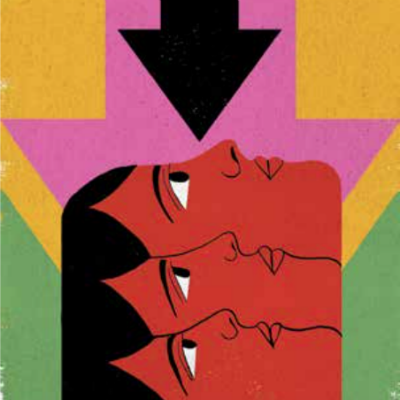
Humanitarian nonprofits unconsciously reinforce the very conditions of women’s oppression they seek to eradicate in their programming.


Large-scale social change requires broad cross-sector coordination, not the isolated intervention of individual organizations.

With an understanding of these 10 funding models, nonprofit leaders can use the for-profit world's valuable practice of engaging in succinct and clear conversations about long-term financial strategy.

Professionalism has become coded language for white favoritism in workplace practices that more often than not leave behind people of color. This is the fourth of 10 articles in a special series about diversity, equity, and inclusion.

By working closely with the clients and consumers, design thinking allows high-impact solutions to social problems to bubble up from below rather than being imposed from the top.
Five principles based in social science that will help organizations connect their work to what people care most about.