


Money for Nothing
In Fair Shot, Facebook cofounder Chris Hughes makes the case for universal basic income.
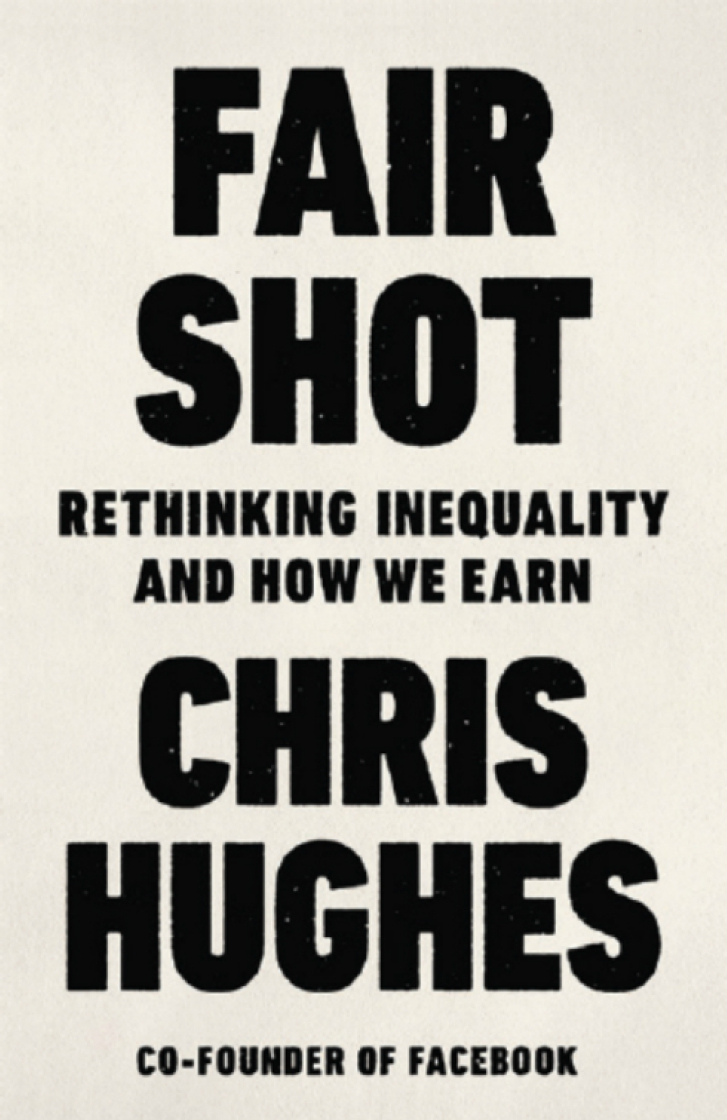
In Fair Shot, Facebook cofounder Chris Hughes makes the case for universal basic income.

In New Power, Jeremy Heimans and Henry Timms argue that power and influence are being driven by a new participatory and peer-driven paradigm.
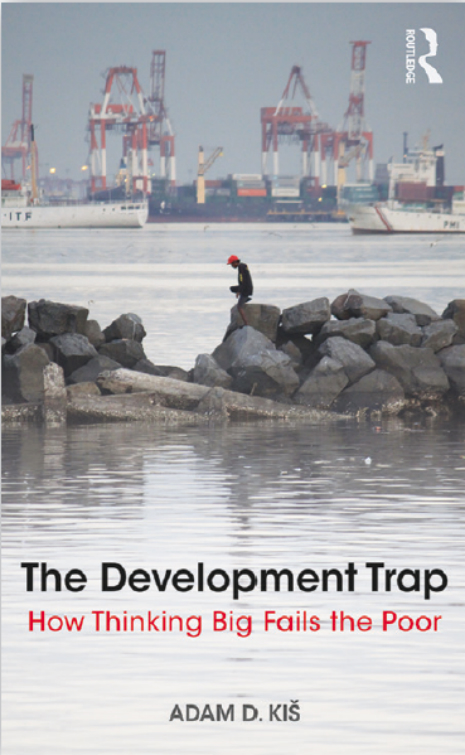
Practitioners and funders in global development need less idealism and more pragmatism, Adam D. Kiš argues in The Development Trap.
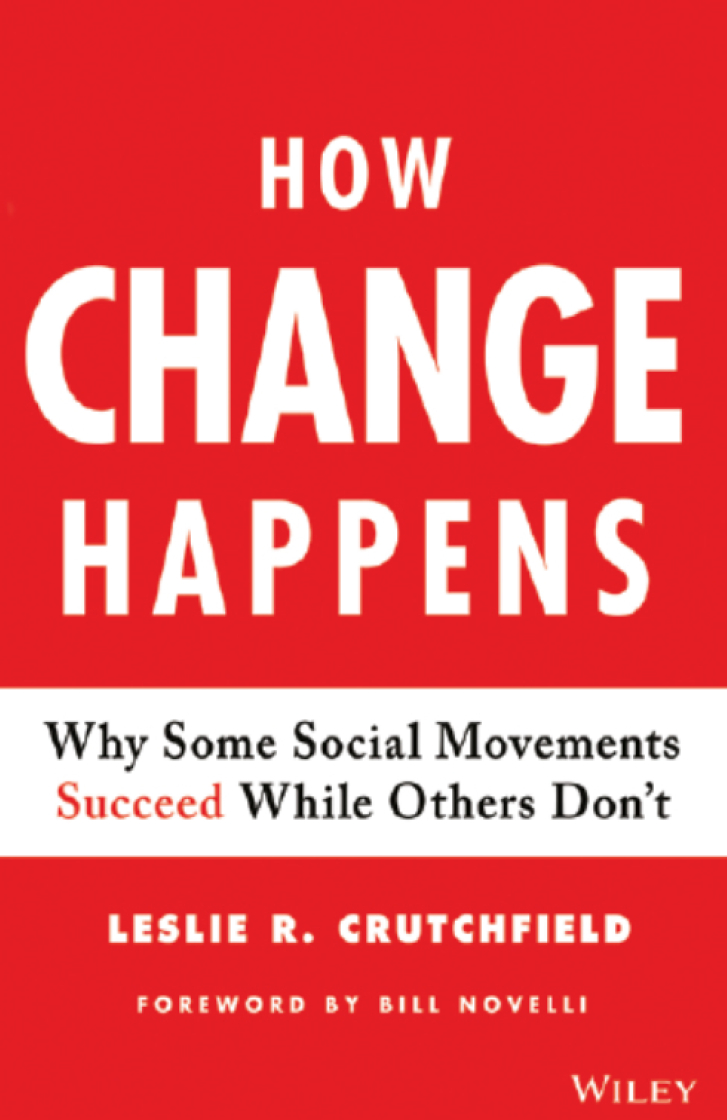
The road to social change begins with personal connection and human emotion, Leslie Crutchfield writes in How Change Happens.

America’s first memorial honoring African-Americans who have been lynched opened in Montgomery, Alabama.


Large-scale social change requires broad cross-sector coordination, not the isolated intervention of individual organizations.

With an understanding of these 10 funding models, nonprofit leaders can use the for-profit world's valuable practice of engaging in succinct and clear conversations about long-term financial strategy.

Professionalism has become coded language for white favoritism in workplace practices that more often than not leave behind people of color. This is the fourth of 10 articles in a special series about diversity, equity, and inclusion.

By working closely with the clients and consumers, design thinking allows high-impact solutions to social problems to bubble up from below rather than being imposed from the top.

Five principles based in social science that will help organizations connect their work to what people care most about.