


The Right Soil for Innovation
The idea for a New York City botanical garden needed a suitable milieu to flourish.

The idea for a New York City botanical garden needed a suitable milieu to flourish.
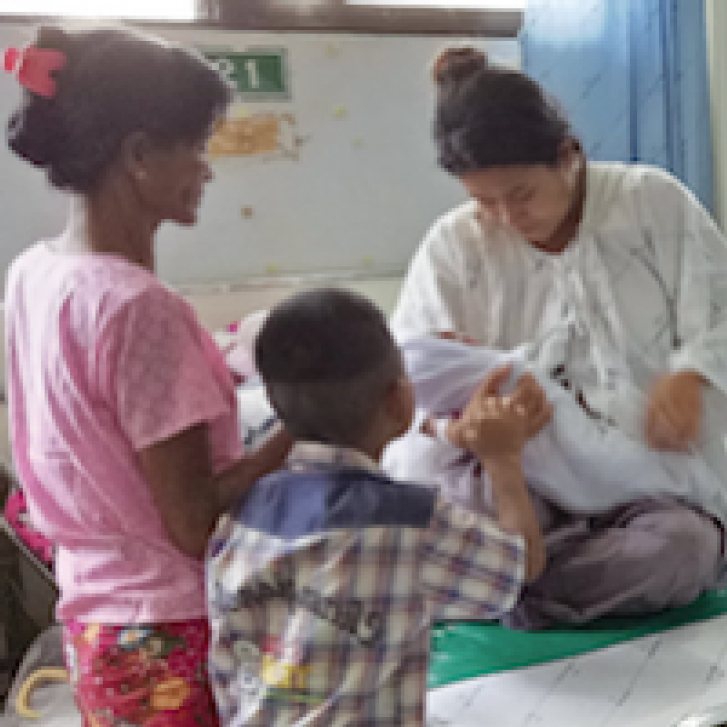
The M-FUND offers affordable health insurance to the vulnerable Burmese migrant population on Thailand's western border.
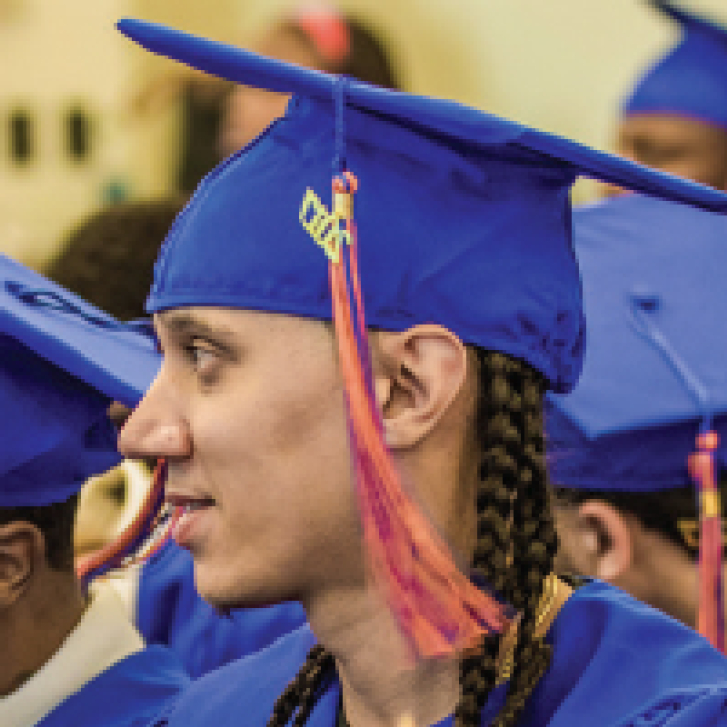
Boston Uncornered gives gang-involved individuals a stipend and social support to attend college.

A collaboration between the NAACP and Airbnb is one of several new efforts to reduce racial discrimination on home-sharing platforms.
Two new programs aim to help academics to engage more directly with nonprofits and social change initiatives.


Large-scale social change requires broad cross-sector coordination, not the isolated intervention of individual organizations.

With an understanding of these 10 funding models, nonprofit leaders can use the for-profit world's valuable practice of engaging in succinct and clear conversations about long-term financial strategy.

Professionalism has become coded language for white favoritism in workplace practices that more often than not leave behind people of color. This is the fourth of 10 articles in a special series about diversity, equity, and inclusion.

By working closely with the clients and consumers, design thinking allows high-impact solutions to social problems to bubble up from below rather than being imposed from the top.

Five principles based in social science that will help organizations connect their work to what people care most about.